The research desk / Edition 03
A longer memory.A sharper brief. The campaigns, production choices and business questions behind virtual influence. Read the historical record, then use the practical guides to decide what to build next.
20 archive cases25 research guides2016–2025 event coverage
From the archive: historical events, researched retrospectively in September 2026. Source publication, event and preparation dates are recorded separately.
Search the library
Format All formats Research guides Archive cases
Topic All topics Business Campaigns Community Culture Economics Growth Music Platforms Production Rights
Event year All years 2025 2024 2023 2022 2021 2020 2018 2016
Reset 45 articles
Research guide Production · Reviewed · 19 September 2026
A useful bible is not a mood board. It gives writers, artists and operators a shared test for what the character can say, wear and remember.
Read the guide ↗ Research guide Production · Reviewed · 19 September 2026
The right character format follows the recurring performance, revision and delivery burden—not the most impressive demo in the pitch deck.
Read the guide ↗ Research guide Rights · Reviewed · 19 September 2026
A consented voice workflow needs a named speaker, permitted uses, a stop path and editable audio that survives the synthesis vendor.
Read the guide ↗ Research guide Production · Reviewed · 19 September 2026
A clean performer take can still fail after retargeting. Rehearse the contacts, silhouette and reference pose the final character actually needs.
Read the guide ↗ Research guide Production · Reviewed · 19 September 2026
A translated script, a new voice track and a moving mouth are three separate deliverables. Review their meaning, timing and performance together.
Read the guide ↗ Research guide Platforms · Reviewed · 19 September 2026
A virtual host can improvise on screen only when named people can mute, cut, correct and end the performance without negotiating with the character.
Read the guide ↗ Research guide Platforms · Reviewed · 19 September 2026
A repeatable character series needs controlled story variants, a viewing hypothesis and a decision log—not ten unrelated clips called an experiment.
Read the guide ↗ Research guide Production · Reviewed · 19 September 2026
Captions need dialogue, speaker identity and meaningful sound; the frame also needs room for them and a story that does not hide essential information in motion alone.
Read the guide ↗ Research guide Production · Reviewed · 19 September 2026
A virtual character's assistant should remember approved facts and open tasks, while sending risky claims and irreversible actions to a human.
Read the guide ↗ Research guide Economics · Reviewed · 19 September 2026
Exports are delivery files, not automatically editable sources. A real exit package proves another operator can reopen, inspect and revise the character.
Read the guide ↗ Research guide Business · Reviewed · 19 September 2026
A virtual character makes production look flexible. The useful brief still fixes the claims, files, approvals, reuse permissions and exit conditions before anyone renders the first frame.
Read the guide ↗ Research guide Growth · Reviewed · 19 September 2026
A practical scorecard follows attention into qualified action, while keeping platform reach, site behavior and commercial outcomes in separate columns.
Read the guide ↗ Research guide Business · Reviewed · 19 September 2026
One finished clip can become a post, a creator-authorized ad or raw material for a new campaign. Price and approve those uses as different work.
Read the guide ↗ Research guide Community · Reviewed · 19 September 2026
A character with a strong point of view creates participation and projection. A seven-day moderation setup gives operators rules, escalation paths and humane shift limits before attention arrives.
Read the guide ↗ Research guide Growth · Reviewed · 19 September 2026
The useful funnel does not merely move followers into email. It records what was promised, proves the handoff and makes leaving as deliberate as joining.
Read the guide ↗ Research guide Economics · Reviewed · 19 September 2026
A character club is recurring work before it is recurring revenue. Model contribution, delivery hours and member exits together.
Read the guide ↗ Research guide Economics · Reviewed · 19 September 2026
Preorders can reveal demand and finance production, but collected cash still owes a product, a shipment decision and room for defects and refunds.
Read the guide ↗ Research guide Business · Reviewed · 19 September 2026
A commission disclosure is necessary, but a durable recommendation also records who used the product, what was checked and when the claim expires.
Read the guide ↗ Research guide Rights · Reviewed · 19 September 2026
Buying a social account is not the same as acquiring the character, its source files, performances, marks, contracts and permission to make new versions.
Read the guide ↗ Research guide Growth · Reviewed · 19 September 2026
A narrow pilot tests whether a specific audience returns for a repeatable editorial job before the operator commits to a bigger lore, production or commerce system.
Read the guide ↗ Research guide Platforms · Reviewed · 16 September 2026
A recognizable synthetic host can carry a series. Each episode still needs a reason to exist, and an AI label does not settle monetization eligibility.
Read the guide ↗ Research guide Production · Reviewed · 16 September 2026
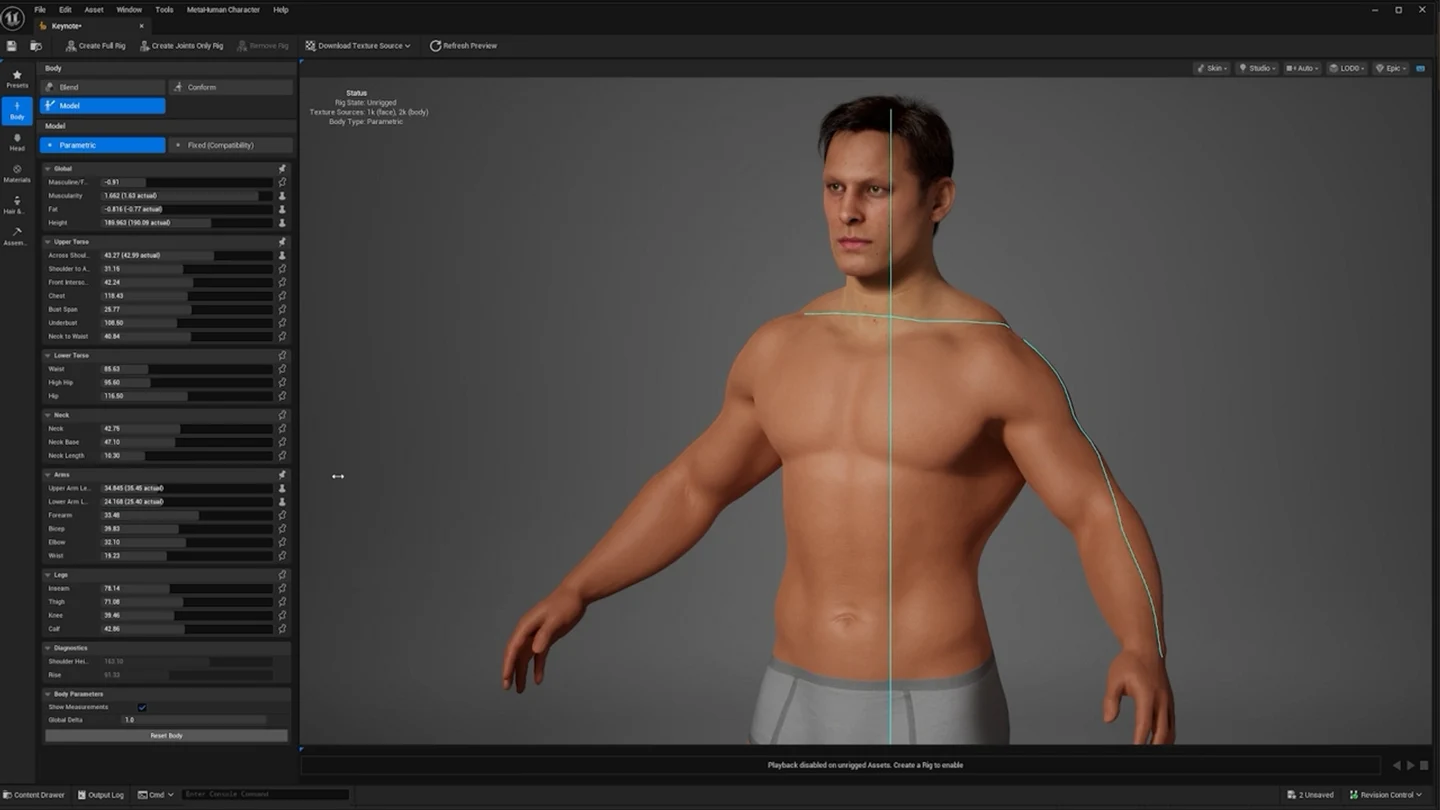
MetaHuman's move into Unreal made a useful production distinction clearer: keep the character's editable base separate from its finished appearances.
Read the guide ↗ Research guide Rights · Reviewed · 16 September 2026
Who paid, what was generated, and whether the audience is talking to AI are different facts. A useful disclosure plan makes each one understandable.
Read the guide ↗ Research guide Economics · Reviewed · 16 September 2026
Four illustrative operating models show why cheap generations can coexist with expensive production—and why a membership fee is not take-home revenue.
Read the guide ↗ Research guide Culture · Reviewed · 16 September 2026
A studio's roster, a union's objection and a completed commercial engagement answer different questions. A buyer needs to keep those records apart.
Read the guide ↗ From the archive Platforms · Event · 4 August 2025
The August 2025 launch positioned AI characters not only as chat partners, but as units of short-form, participatory entertainment.
Read the case ↗ From the archive Production · Event · 2 July 2025
A July 2025 image drop made replicas of real models part of fashion marketing, while labor advocates pressed questions about control and work.
Read the case ↗ From the archive Production · Event · 24 April 2025
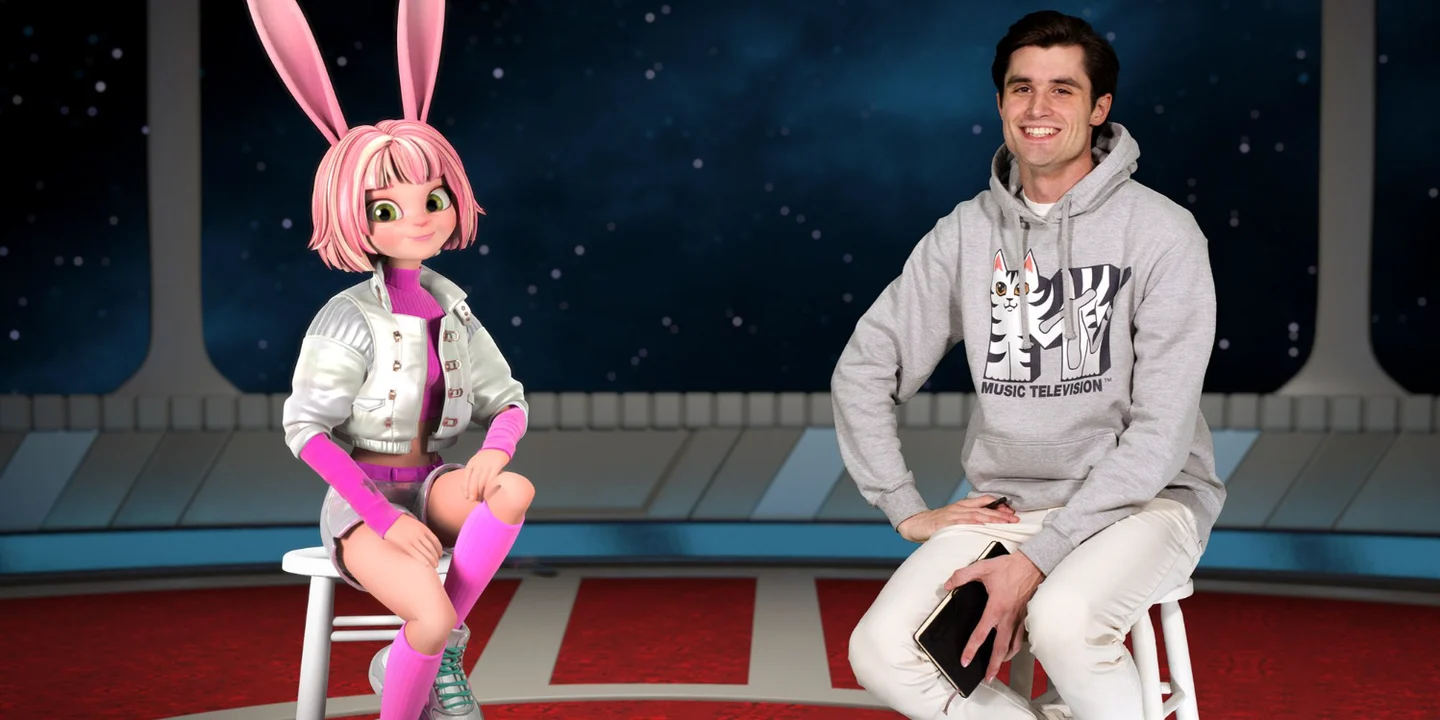
The 2025 Style Coach activation moved a virtual model from broadcast imagery to real-time, natural-language retail interaction.
Read the case ↗ From the archive Music · Event · 26 February 2025
After an indefinite 2022 sleep period, the character’s February 2025 return showed how a mature virtual identity can be rebooted around a narrower creative focus.
Read the case ↗ From the archive Music · Event · 4 April 2024
The tenth-anniversary route began in Vancouver and extended the concert experience through club events and a digital figure-painting activity.
Read the case ↗ From the archive Campaigns · Event · 9 February 2024
The February 2024 activation extended the film’s physical-sensation narrative into an in-person experience. The installation date is not the film’s launch date.
Read the case ↗ From the archive Music · Event · 10 November 2023
The 2023 album release treated a virtual performer’s fictional setting as a distribution format for an actual press-facing performance.
Read the case ↗ From the archive Music · Event · 1 September 2023
The 2023 debut with Alle Farben is a useful case in how a pre-existing fashion character entered recorded music—with attribution questions still visible.
Read the case ↗ From the archive Production · Event · 12 March 2023
The group’s debut record and later production account show why live virtual idols require both a music format and a credible performance system.
Read the case ↗ From the archive Music · Event · 25 January 2023
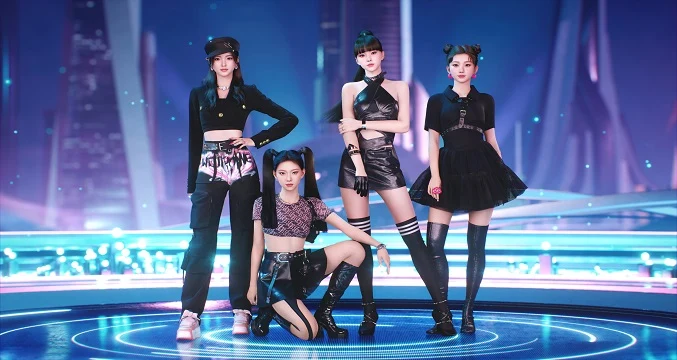
Netmarble’s four-member virtual group arrived with a single, a two-track release and a future-world premise on the same day.
Read the case ↗ From the archive Campaigns · Event · 12 August 2022
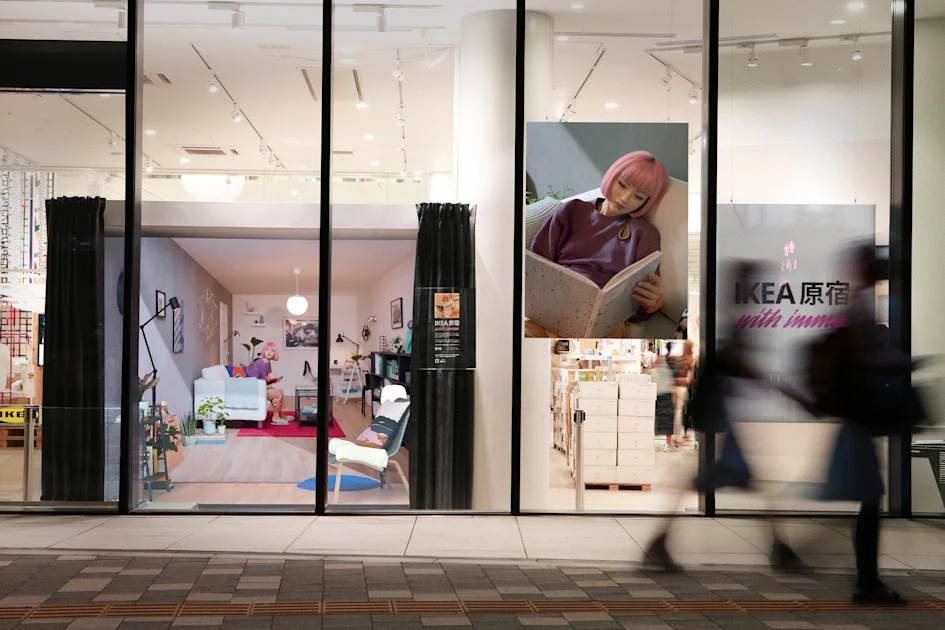
The 2022 retailer partnership used an established virtual character to connect store imagery with a broader social campaign calendar.
Read the case ↗ From the archive Campaigns · Source record · 24 February 2022
Porsche’s February 2022 strategy feature connected Ayayi imagery with its investment in digital characters and possible in-car experiences.
Read the case ↗ From the archive Production · Event · December 2021
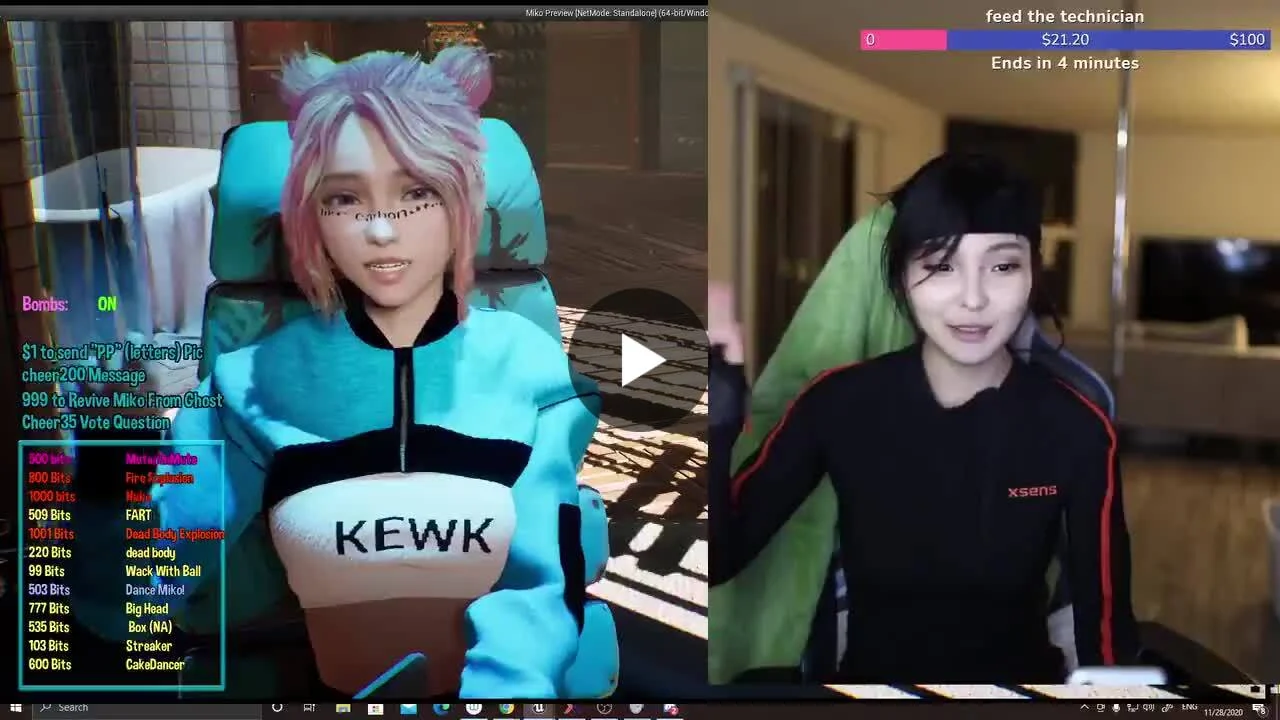
A 2021 real-time performance record makes the operator, motion capture and audience interaction part of the character proposition.
Read the case ↗ From the archive Campaigns · Event · 21 October 2021
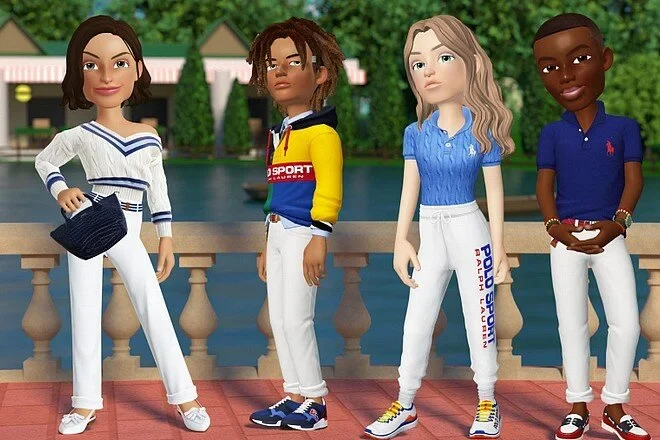
The 2021 Rethink Reality campaign made a brand-owned virtual character encounter a physical bottle across short films and still imagery.
Read the case ↗ From the archive Platforms · Event · 25 August 2021
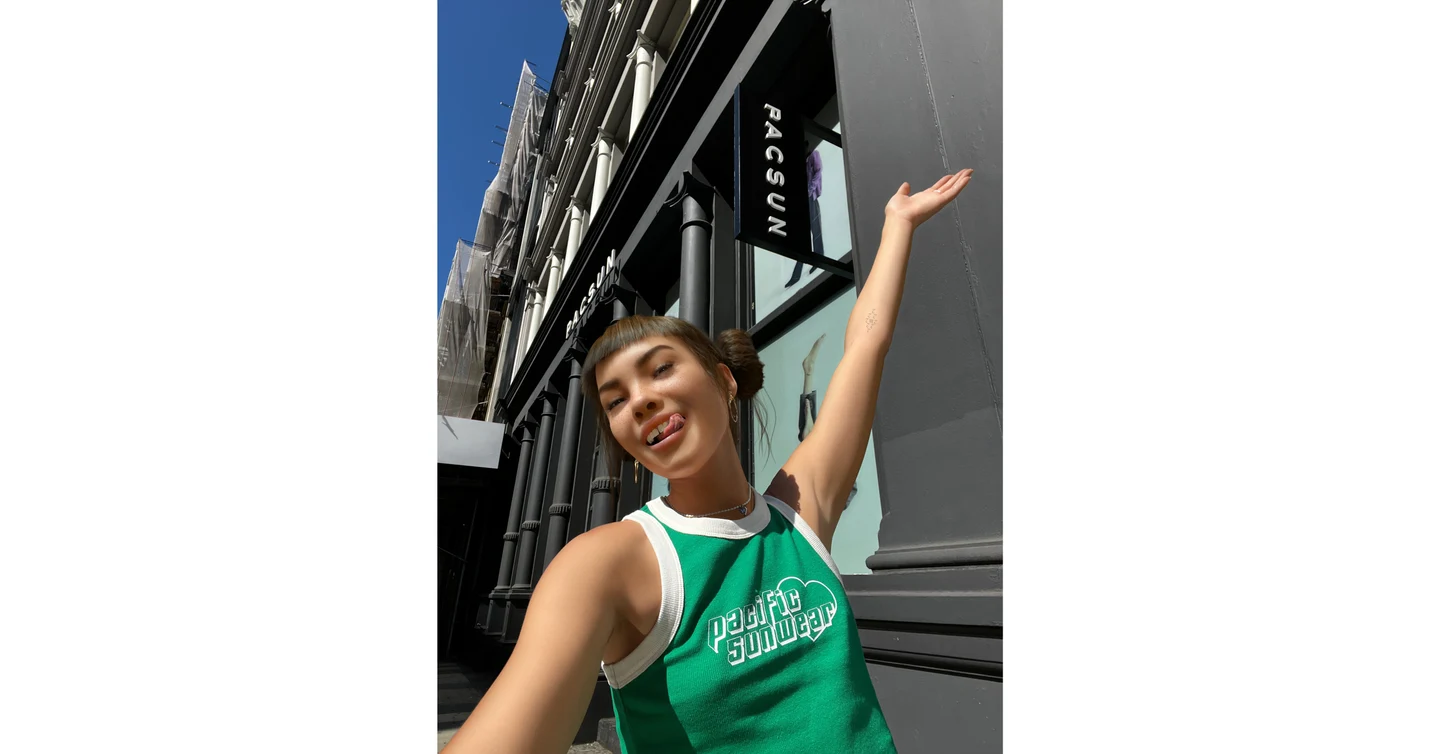
The 2021 launch paired purchasable digital clothing with three branded New York spaces and a planned K-pop appearance.
Read the case ↗ From the archive Culture · Event · October 2020
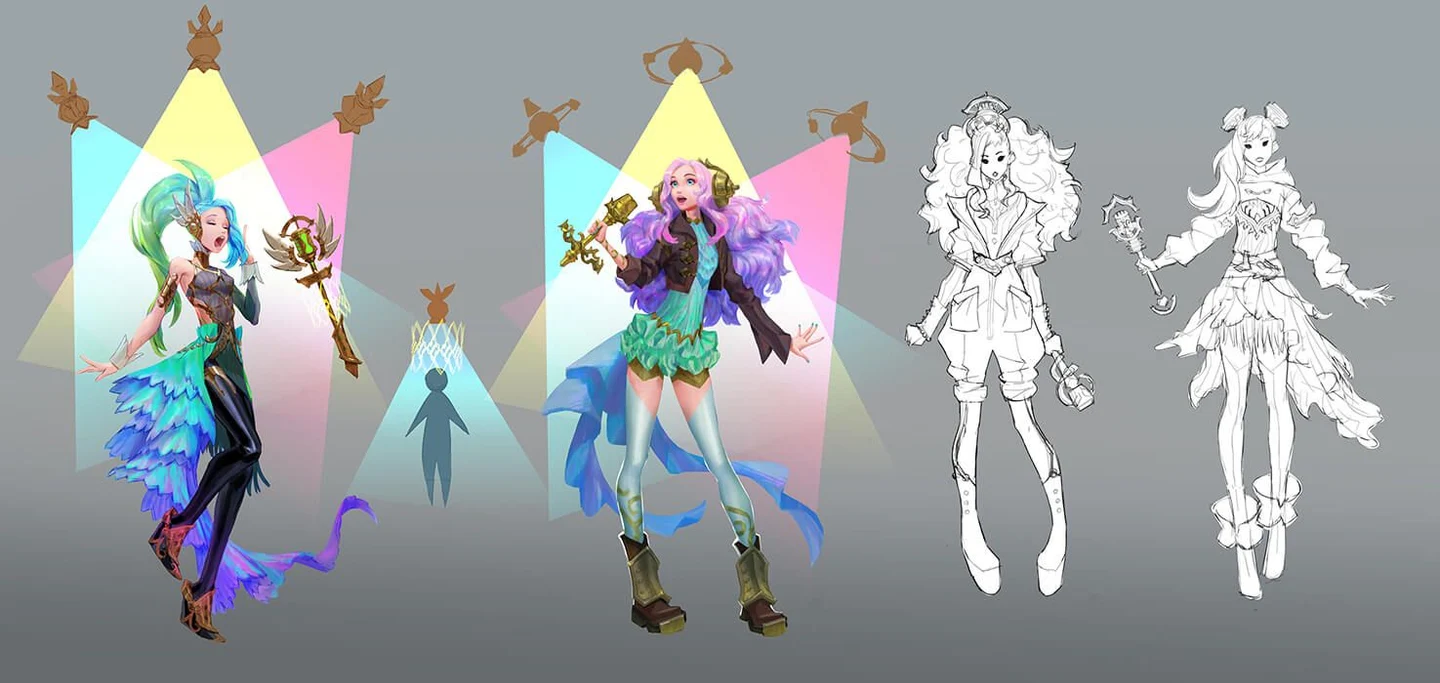
Riot’s 2020 launch positioned a new champion as both a playable game character and a collaborator in K/DA’s pop-fiction universe.
Read the case ↗ From the archive Campaigns · Event · 28 August 2020
A 2020 retail launch used screens, a physical site and social posting to make a virtual model’s domestic routine into an in-store story.
Read the case ↗ From the archive Music · Event · 3 November 2018
Riot introduced a four-character pop group at the 2018 Worlds opening ceremony with a credited track and game skins.
Read the case ↗ From the archive Campaigns · Event · August 2018
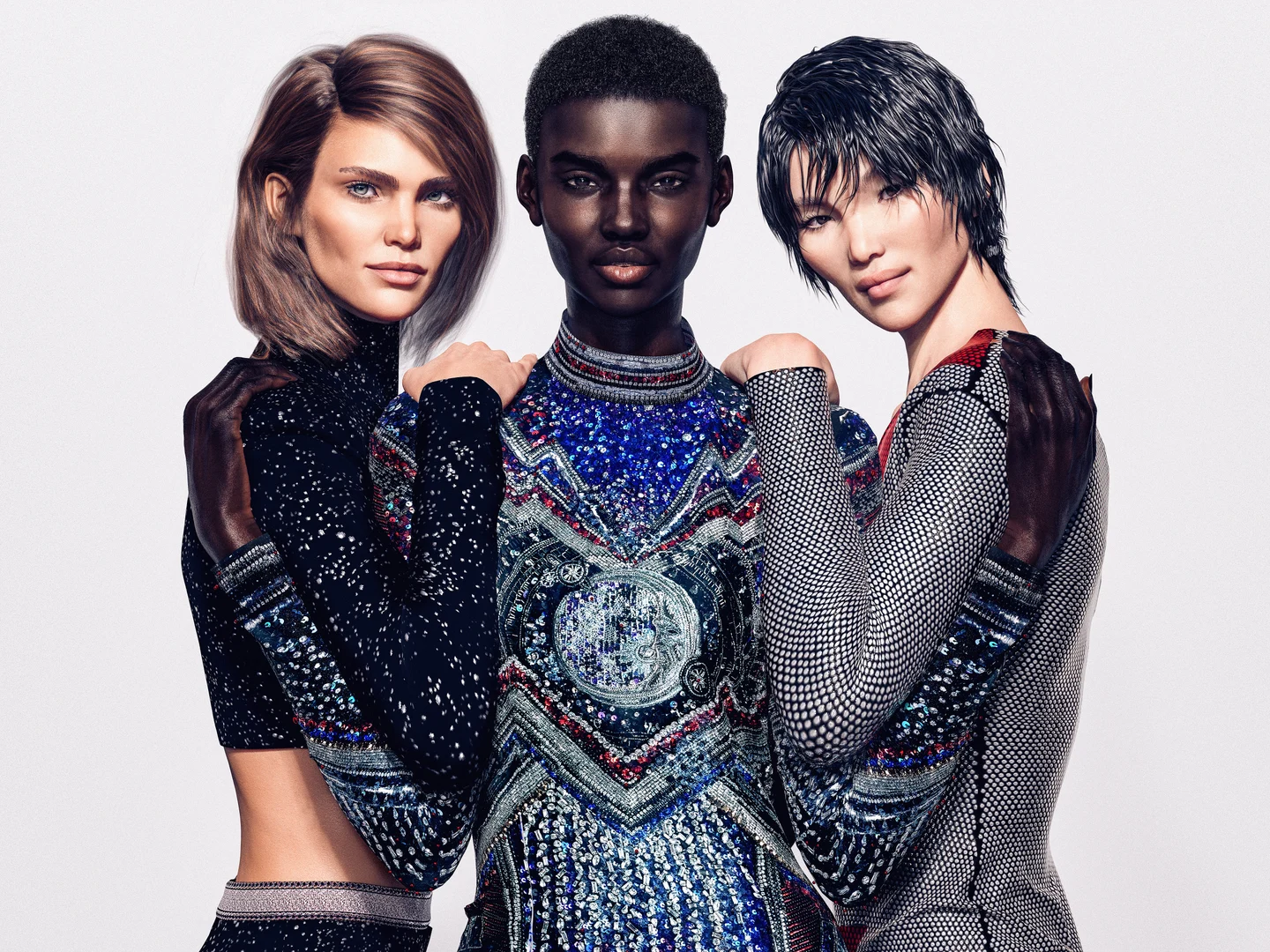
Shudu, Margot and Zhi extended Balmain’s army idea into computer-made campaign models, while raising questions that imagery alone could not answer.
Read the case ↗ From the archive Culture · Event · December 2016
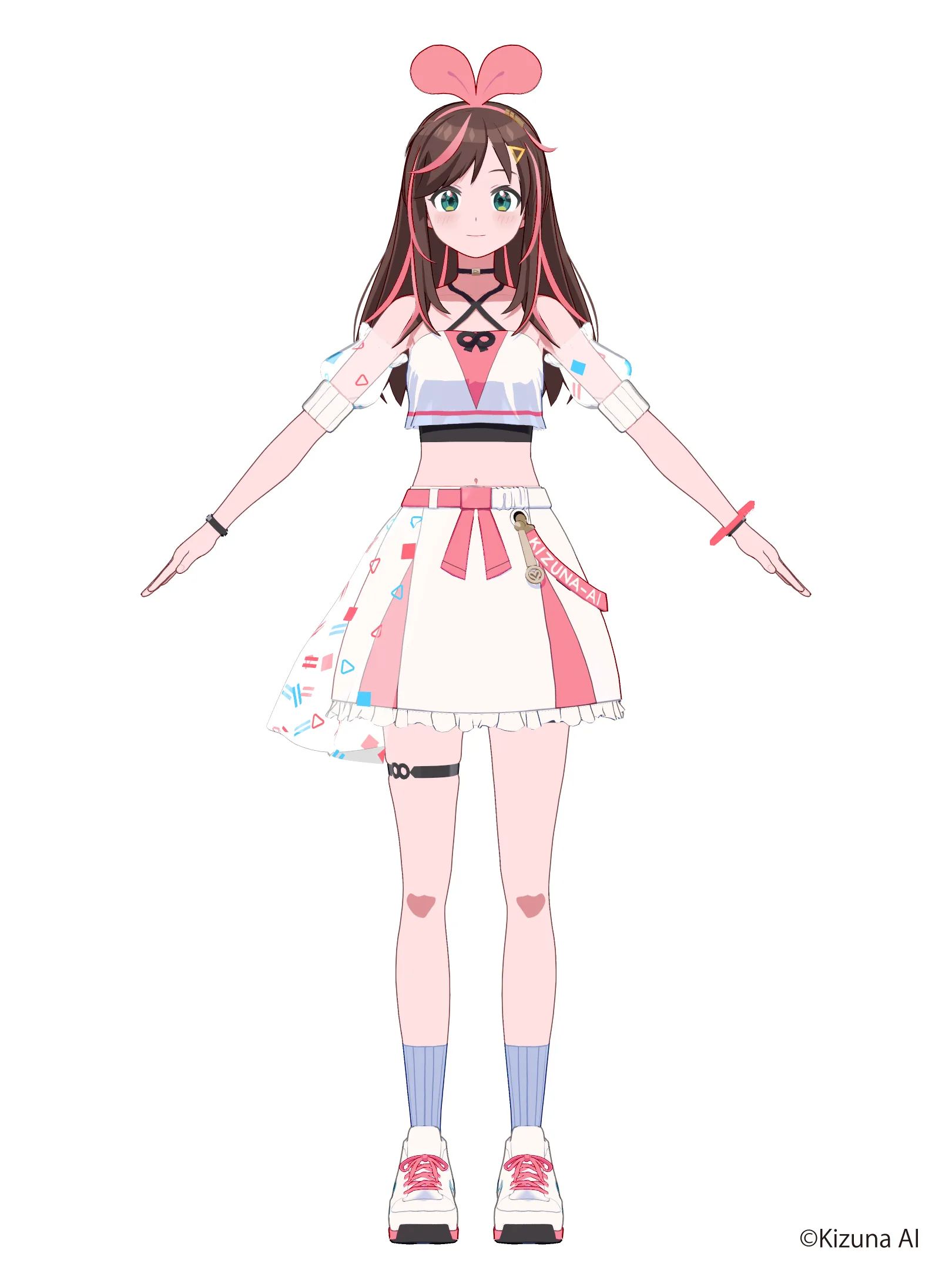
The early virtual-YouTuber proposition was not a campaign stunt: it was a repeatable publishing identity with a channel as its stage.
Read the case ↗ No articles match. Try another topic or reset the filters.
 Research guide