Source record
What happened
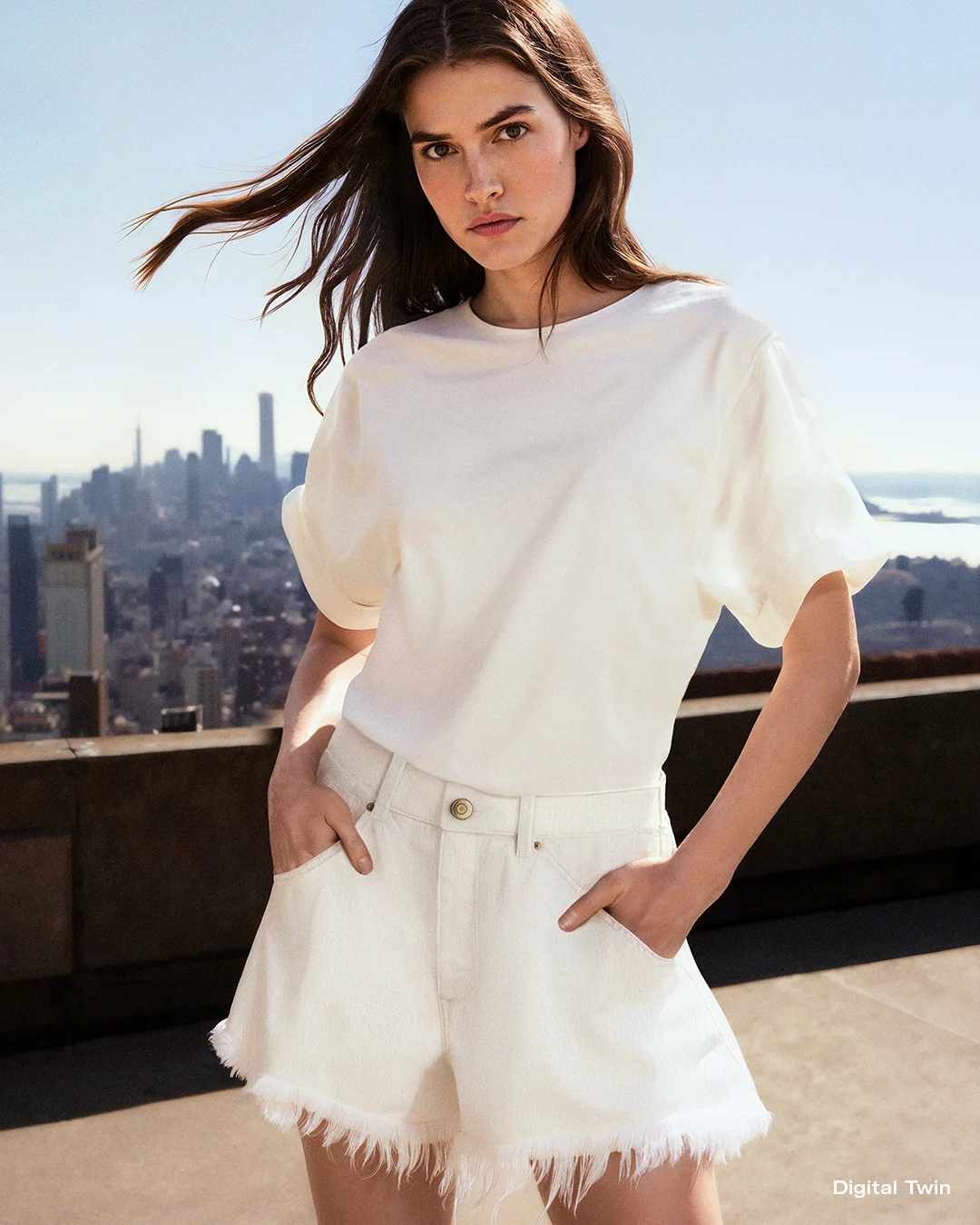
H&M Group said its first set of fashion images featuring digital twins went live on July 2, 2025. The company placed the model replicas against fashion-capital backdrops in a denim presentation and described a dedicated team and accompanying behind-the-scenes film. It said further expressions would be explored in the fall. The July date is therefore an image-drop date, not the date of every planned later campaign. H&M presented the work as an experiment in using generative AI within a human creative process.
The Model Alliance had already issued a March 25 statement raising concerns about H&M’s digital-twin project and potential effects on fashion workers. That advocacy record precedes the published image drop and shows that questions about permission, compensation and displacement were part of the contemporary response, not merely hindsight. It does not by itself establish the private terms between H&M, models, agencies and photographers. H&M’s own July page includes comments from a participating model and photographer, but their positive experience should not be generalized to every worker.
Evidence: H&M Group [s1] · Model Alliance [s2]
Editorial analysis
Analysis
Character Ledger analysis: a digital twin differs from a wholly fictional virtual influencer because it carries a real person’s likeness forward into new production. The image may be novel, but the key operational artifact is a license and a workflow: who can generate a replica, approve an output, adapt it for another market and retire it? A campaign can credit individual participants and still leave broader labor questions unresolved. The debate therefore belongs beside the creative case, not below it as a generic AI footnote.
Evidence: H&M Group [s1] · Model Alliance [s2]
Practical application
Practical lesson
Before commissioning a likeness-based campaign, specify the permitted uses in writing: channel, duration, territory, alteration rights, approval path, payment and revocation. Keep model, photographer, stylist and production credits attached to every derivative. Separate a real photograph, a digitally altered photograph and a generated twin in the asset ledger. For public explanation, name what was produced and which humans approved it without implying that consent in one project settles the industry's larger employment debate. Evaluate speed or savings only with actual comparable production records.
Evidence: H&M Group [s1] · Model Alliance [s2]
Evidence limits
Evidence limits
H&M’s page establishes the image drop and its stated creative process; the Model Alliance source records an advocate’s concerns. Neither discloses the executed contracts, full compensation arrangements or long-term effects on fashion employment. No sales, production-cost or engagement benefit is inferred. The Alliance’s March statement is not treated as a response to July images, and H&M’s planned fall exploration is not counted here as completed work.
Evidence: H&M Group [s1] · Model Alliance [s2]
Inside the source material.
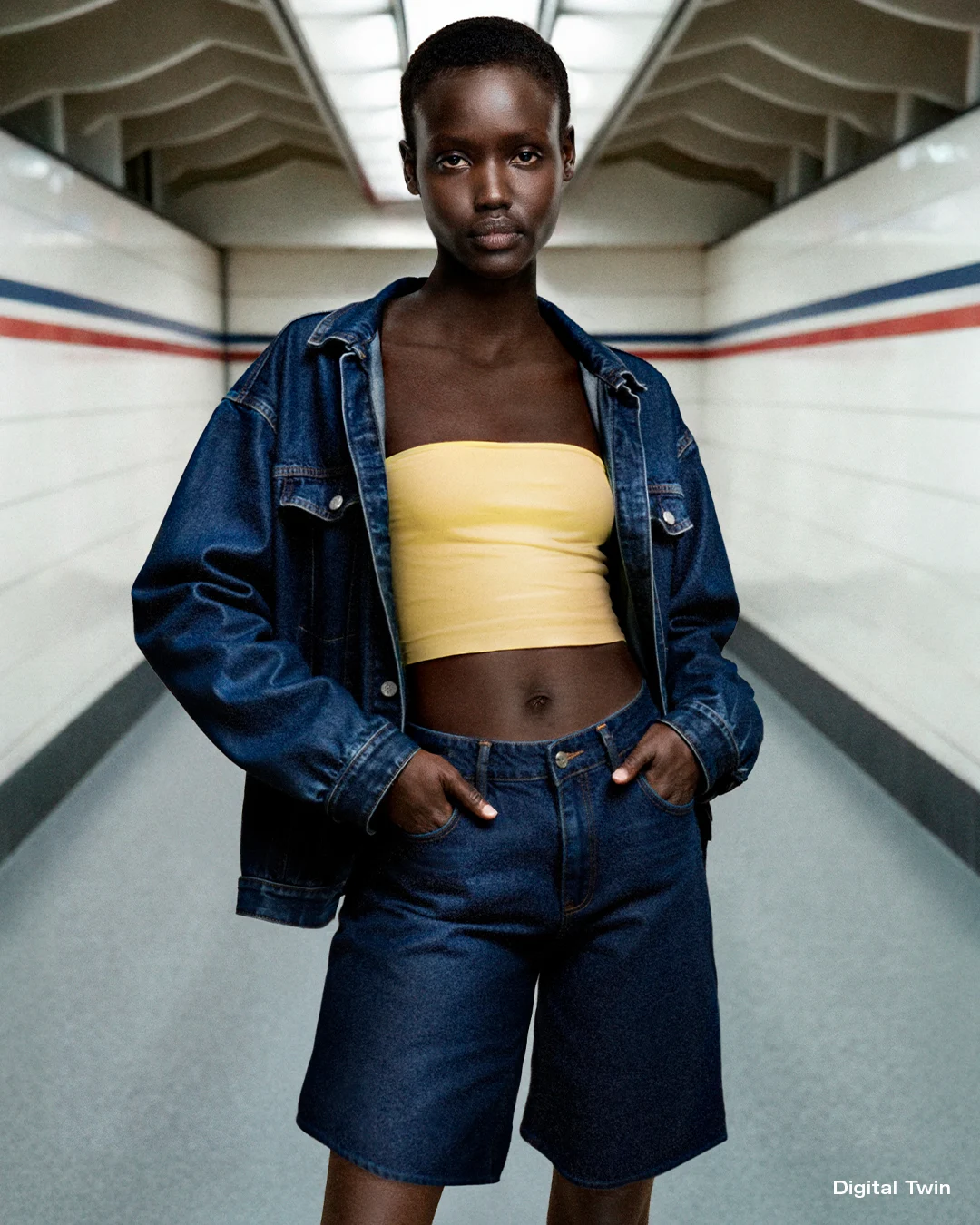
H&M Group; campaign collaboration with Johnny Kangasniemi ↗ · Local reference; owner review pending
Source ledger
What this rests on.
- H&M continues its exploration of creativity with AI ↗
H&M Group · Primary source
Source publication: 2 July 2025 · Reviewed: 16 September 2026
Dated company post says first denim images featuring digital twins went live July 2, names a dedicated creative team and behind-the-scenes film; describes fall work as future exploration.
- Model Alliance Raises Concerns About H&M's AI Digital Twin Project ↗
Model Alliance · Primary source
Source publication: 25 March 2025 · Reviewed: 16 September 2026
Dated Model Alliance statement raises concerns before the July image drop; its advocacy position is not proof of H&M’s private final contract terms.