Editorial analysis
Define exit as a production capability
A folder of published JPEGs proves that the campaign shipped. It does not prove the operator can change the character's expression, relight a scene, isolate the voice or correct a caption after a vendor closes. Before signing, list the revisions the next operator must be able to make and the files, rights and knowledge required for each.
Use three columns: editable source, interchange copy and final delivery. Editable source preserves the vendor-native construction. Interchange copy carries agreed reusable elements into other tools. Delivery files are what platforms consume. Calling all three “assets” hides the most expensive gap.
Source record
Interchange is not full editability
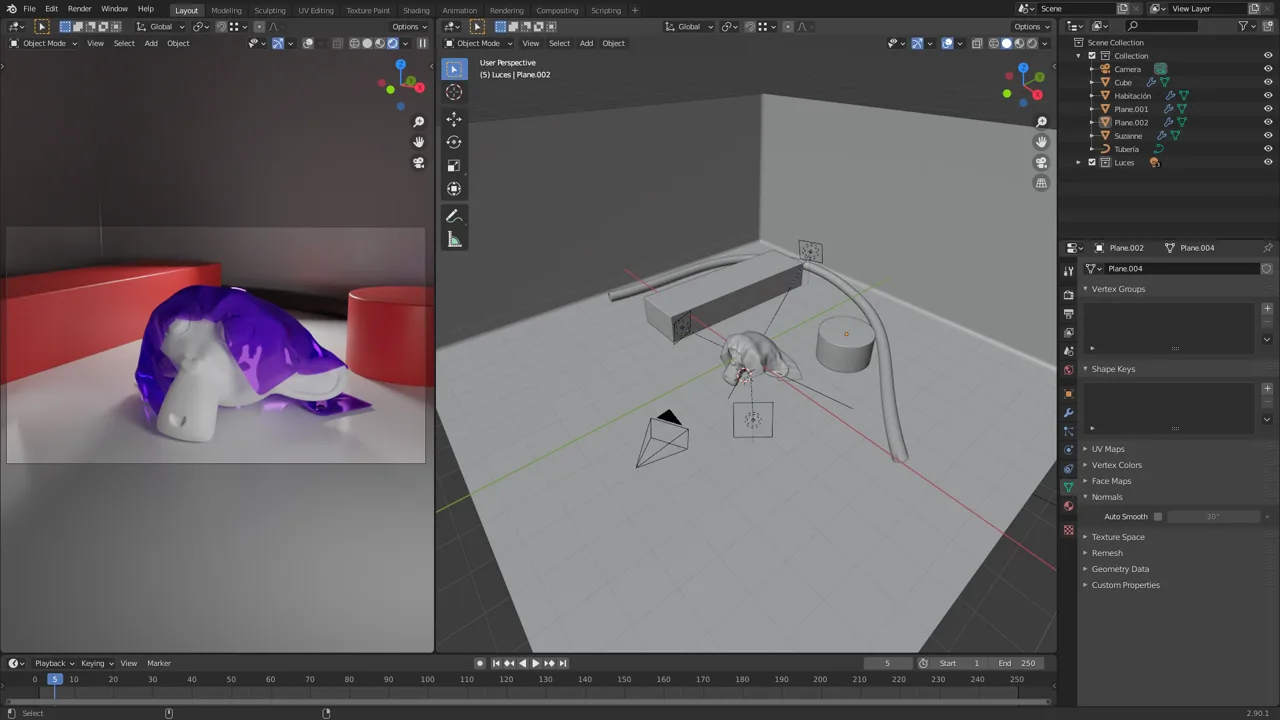
Khronos defines glTF as an API-neutral runtime delivery format for scenes, meshes, materials, textures, skins and animation. Its specification also says glTF is not an authoring format; it is a complementary distillation target. A successful glTF export can support transport without preserving every modifier, procedural graph, constraint or vendor-specific control needed to recreate the source.
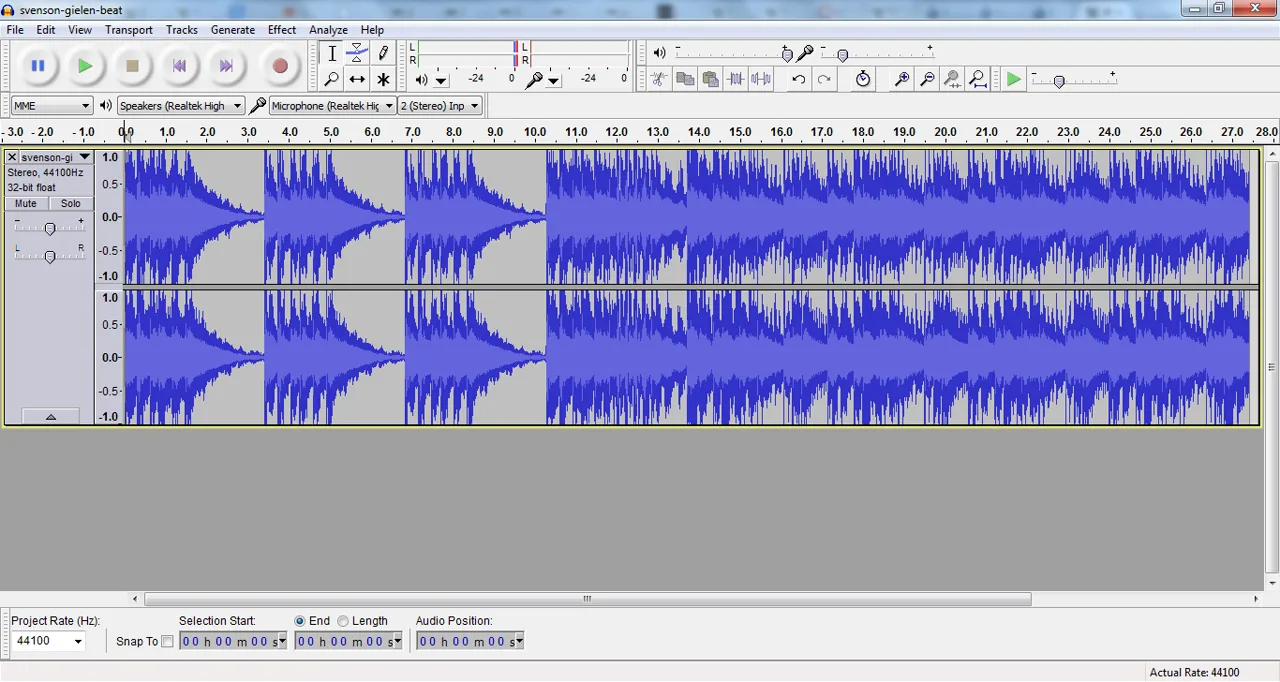
Audacity's manual makes the same distinction in audio: an editable project retains tracks, clips and edits, while export produces an ordinary mixed or selected audio file. The exact software is not the point. Exit planning needs both working construction and usable outputs, with known limitations.
Evidence: Khronos Group [s1] · Audacity Manual [s2] · Audacity Manual [s3]
Practical application
Write the handover manifest
Inventory model scenes, rigs, texture sources, fonts, shaders, motion, facial poses, voice sessions, lossless stems, scripts, captions, prompts where contractually deliverable, reference images, licenses and approval records. For each item record owner, native format, interchange format, software version, dependencies, rights scope, checksum and last-opened date.
Worked example: the vendor delivers a GLB, final WAV and MP4. The manifest reveals no source rig, layered texture, dialogue stem or caption file. The buyer can display the character but cannot change a sleeve, rebalance music or correct a subtitle. The gap is discovered before renewal, when scope and price can still be negotiated.
Practical application
Run a clean-machine exit drill
Give a second operator a clean workstation or isolated environment, the manifest and no access to the incumbent's informal notes. Ask them to open the native sources, relink dependencies, render the neutral continuity scene, change one approved line, export an interchange model and produce one platform delivery. Record missing plug-ins, accounts, fonts, credentials and undocumented steps.
Then open the interchange copy in the receiving tool and compare geometry, materials, scale, skeleton, animation, facial shapes and naming. A file that imports without an error can still lose the controls that matter. Classify each difference as acceptable delivery loss, repairable handoff work or blocker.
Evidence: Khronos Group [s1]
Editorial analysis
Price unresolved lock-in honestly
Some proprietary capability may be worth keeping. Record it explicitly: which outputs require the vendor, how quickly the team could replace them, what historical material remains usable and which rights survive termination. Put recurring export and drill obligations into the operating schedule, not only the original contract checklist.
The exit gate is passed when a named replacement operator can make the agreed revisions from retained files and document what remains vendor-dependent. That is evidence of operational portability. It is not a guarantee that every look, model or plug-in will transfer perfectly.
Source ledger
What this rests on.
- glTF 2.0 Specification ↗
Khronos Group · Primary source
Source publication: 11 October 2021 · Reviewed: 19 September 2026
Defines glTF as an API-neutral runtime delivery format carrying scenes, meshes, materials, textures, skins and animation, and explicitly distinguishes it from an authoring format.
- Save your project ↗
Audacity Manual · Primary source
Source publication: Not stated by source · Source updated: 14 September 2026 · Reviewed: 19 September 2026
Documents that the editable project retains tracks, clips, edits and undo history and is opened by Audacity.
- Export your audio ↗
Audacity Manual · Primary source
Source publication: Not stated by source · Source updated: 14 September 2026 · Reviewed: 19 September 2026
Documents that an export mixes or selects project audio into ordinary delivery files with chosen format settings.