Reading paths / 02 / Build the system
Make the performance repeatable
A polished image is a deliverable, not a production system. These guides connect source assets, human performance, voice, animation and review.
- Keep an editable identity package.
- Rehearse the difficult shots and failure states.
- Budget for accepted work and human review.
14 connected pieces / suggested reading
 Research guide
Production · Reviewed · 16 September 2026
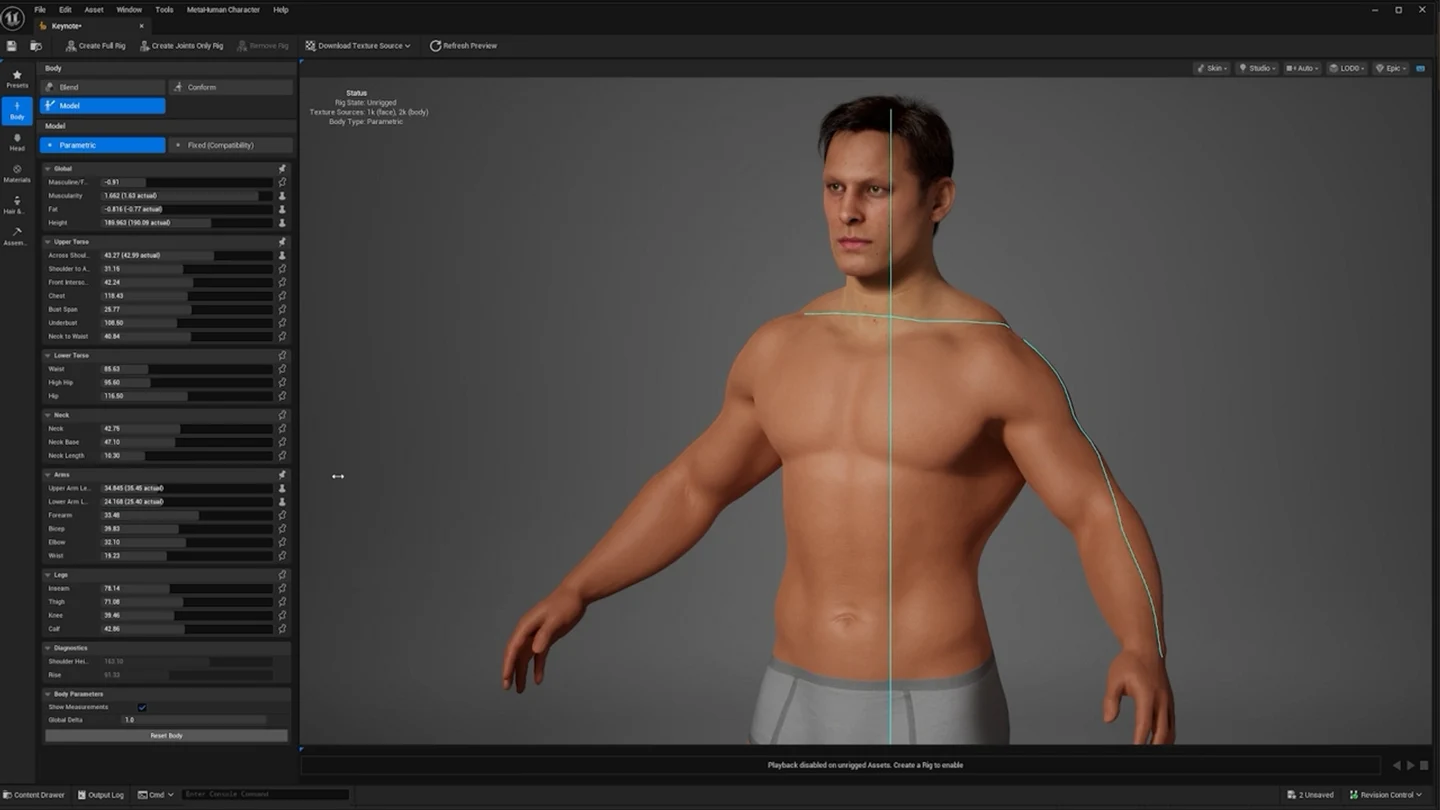
MetaHuman's move into Unreal made a useful production distinction clearer: keep the character's editable base separate from its finished appearances.
Read the guide ↗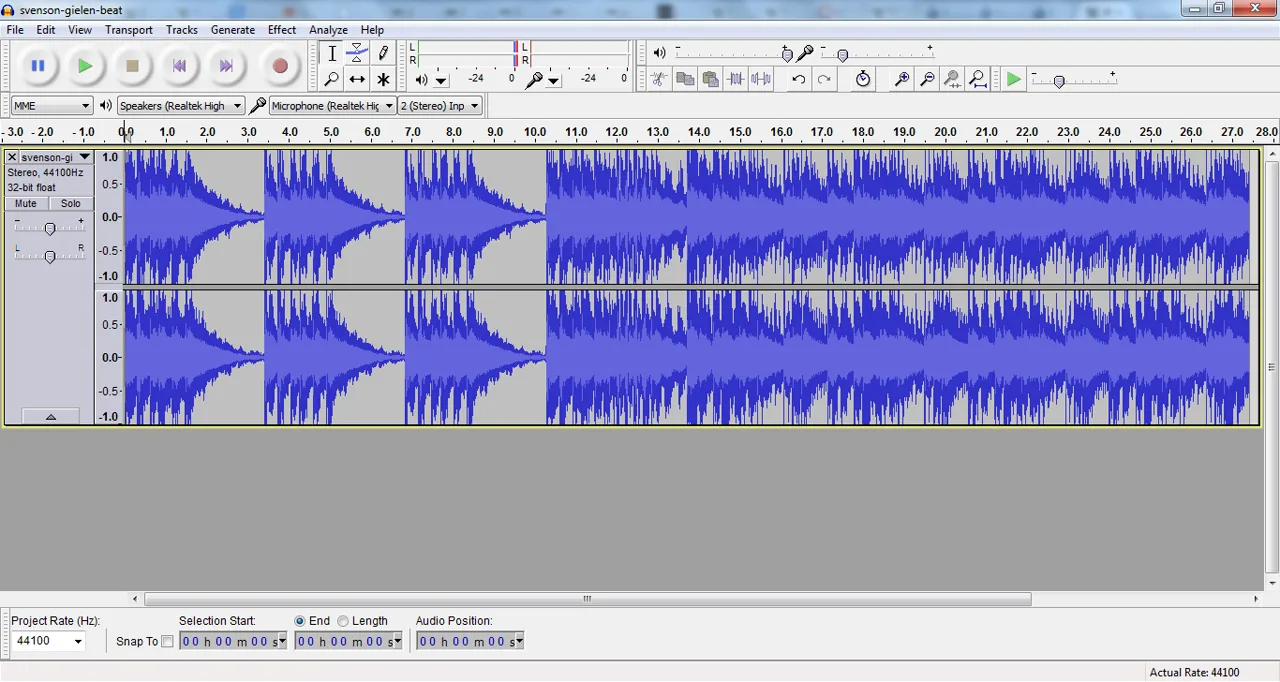 Research guide
Economics · Reviewed · 16 September 2026
Four illustrative operating models show why cheap generations can coexist with expensive production—and why a membership fee is not take-home revenue.
Read the guide ↗ Research guide
Production · Reviewed · 19 September 2026
A useful bible is not a mood board. It gives writers, artists and operators a shared test for what the character can say, wear and remember.
Read the guide ↗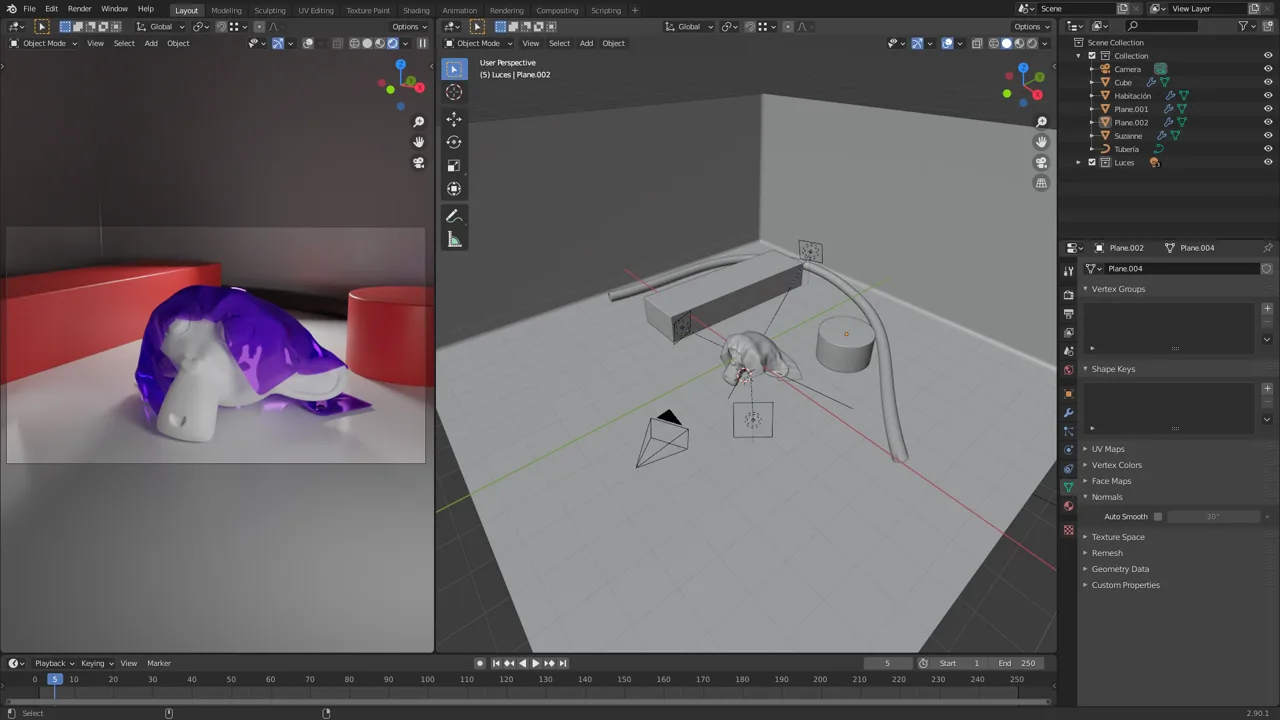 Research guide
Production · Reviewed · 19 September 2026
The right character format follows the recurring performance, revision and delivery burden—not the most impressive demo in the pitch deck.
Read the guide ↗Rights · Reviewed · 19 September 2026
A consented voice workflow needs a named speaker, permitted uses, a stop path and editable audio that survives the synthesis vendor.
Read the guide ↗ Research guide
Production · Reviewed · 19 September 2026
A clean performer take can still fail after retargeting. Rehearse the contacts, silhouette and reference pose the final character actually needs.
Read the guide ↗ Research guide
Production · Reviewed · 19 September 2026
A translated script, a new voice track and a moving mouth are three separate deliverables. Review their meaning, timing and performance together.
Read the guide ↗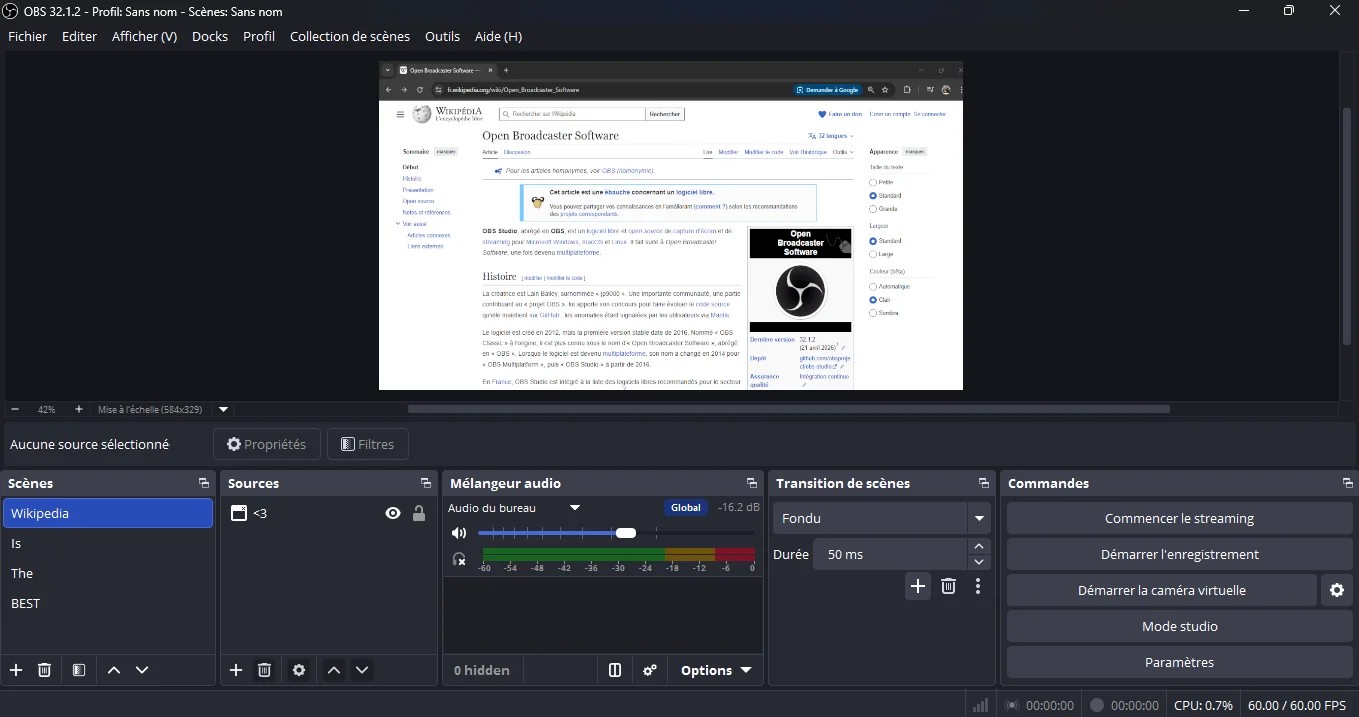 Research guide
Platforms · Reviewed · 19 September 2026
A virtual host can improvise on screen only when named people can mute, cut, correct and end the performance without negotiating with the character.
Read the guide ↗ Research guide
Production · Reviewed · 19 September 2026
Captions need dialogue, speaker identity and meaningful sound; the frame also needs room for them and a story that does not hide essential information in motion alone.
Read the guide ↗Production · Reviewed · 19 September 2026
A virtual character's assistant should remember approved facts and open tasks, while sending risky claims and irreversible actions to a human.
Read the guide ↗Economics · Reviewed · 19 September 2026
Exports are delivery files, not automatically editable sources. A real exit package proves another operator can reopen, inspect and revise the character.
Read the guide ↗ Research guide
Business · Reviewed · 19 September 2026
A virtual character makes production look flexible. The useful brief still fixes the claims, files, approvals, reuse permissions and exit conditions before anyone renders the first frame.
Read the guide ↗ Research guide
Economics · Reviewed · 19 September 2026
Preorders can reveal demand and finance production, but collected cash still owes a product, a shipment decision and room for defects and refunds.
Read the guide ↗ Research guide
Growth · Reviewed · 19 September 2026
A narrow pilot tests whether a specific audience returns for a repeatable editorial job before the operator commits to a bigger lore, production or commerce system.
Read the guide ↗