Source record
What happened
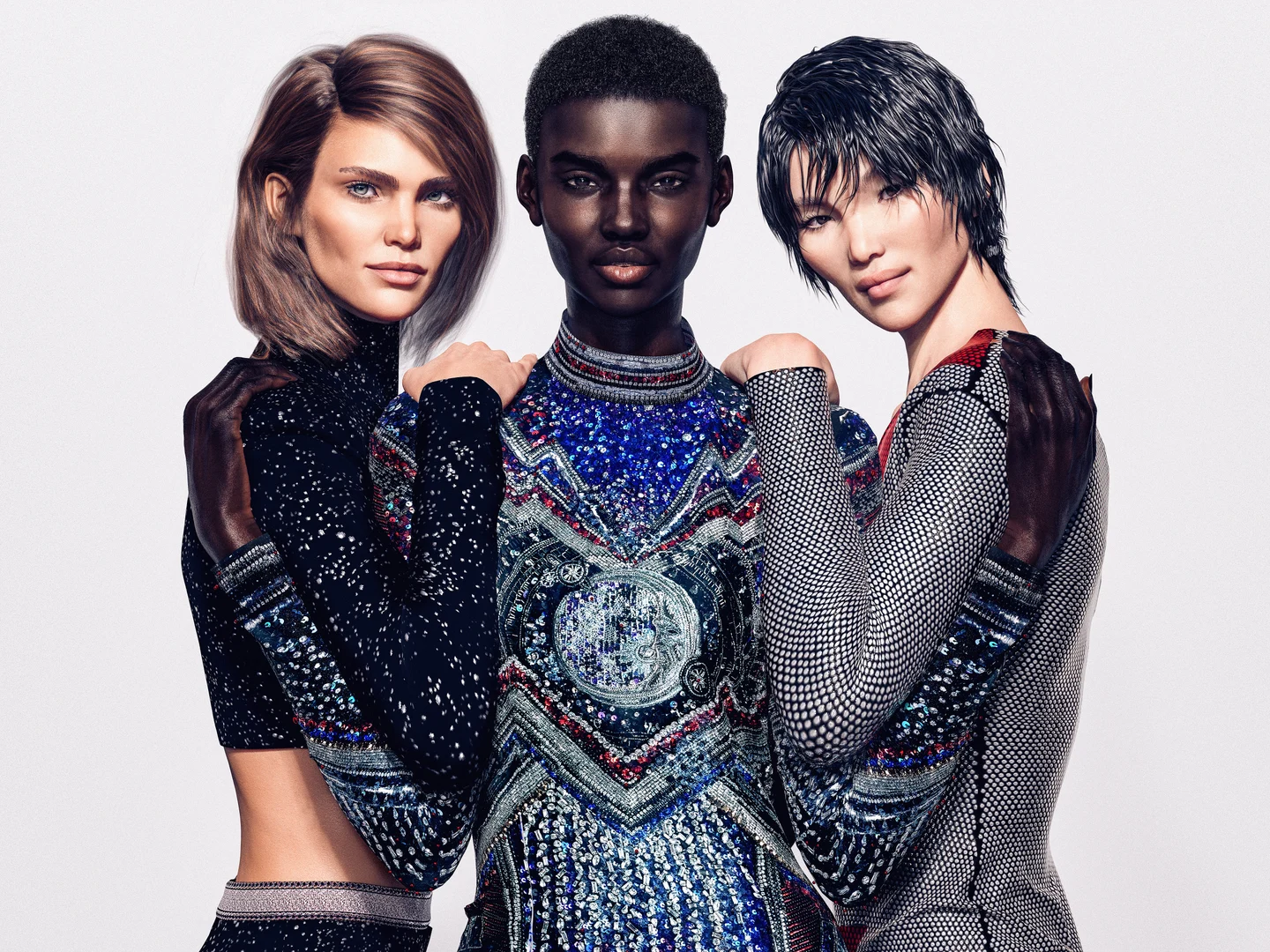
By August 31, 2018, Vogue France was reporting Balmain’s new virtual ‘army’: Shudu, Margot and Zhi. The report identifies Cameron-James Wilson as the creator invited by creative director Olivier Rousteing to develop the digital models. The Diigitals’ project account likewise names the trio and describes a collaboration with Rousteing. Its page labels the project September 2018. Because contemporary coverage predates that label, this record uses August 2018 as the earliest supported public month, without assigning an invented unveiling day.
The figures were campaign models, not documented autonomous social personalities. Shudu already existed; Margot and Zhi were made for the Balmain context, according to the creator’s portfolio. Images placed them in the house’s fashion language and extended the established ‘Balmain Army’ phrase to a digitally constructed cast. The sources establish the visual project and its makers. They do not establish who modeled every garment, how every composite was produced or what a customer understood on first viewing.
Evidence: The Diigitals [s1] · Vogue France [s2]
Editorial analysis
Analysis
Character Ledger analysis: the campaign changed the casting surface while borrowing a familiar brand structure. ‘Army’ already implied a group united by Balmain’s styling and attitude; a virtual trio could enter that structure without the house explaining a new fictional world from scratch. That makes the work more intelligible than a free-floating computer-generated face. It also makes representation a live editorial question. A diverse-looking render is a visible output; it is not evidence about who had creative control, which real workers were paid, or whether the industry’s opportunities broadened.
Evidence: The Diigitals [s1] · Vogue France [s2]
Practical application
Practical lesson
For a fashion character campaign, record the people behind the image as carefully as the fictional cast. Name the character creator, fashion house and production contributors where confirmed. Keep the campaign image tied to its actual project page, and avoid reusing a model portrait as though it were the published Balmain frame. Test whether the character adds a recognizable idea to the brand story; technical realism by itself is a weak brief. If inclusion is part of the claim, assess creative authority and employment separately from the image’s appearance.
Evidence: The Diigitals [s1] · Vogue France [s2]
Evidence limits
Evidence limits
The creator portfolio is retrospective and promotional, while Vogue’s August report documents contemporary visibility. Their month labels differ, and neither establishes an exact first-publication day for the campaign. No independent campaign-reach, sales or audience-response data was reviewed. This archive does not claim that the trio replaced a particular shoot, that Balmain was first in the category, or that a visual claim of diversity produced a measurable industry change.
Evidence: The Diigitals [s1] · Vogue France [s2]
Inside the source material.
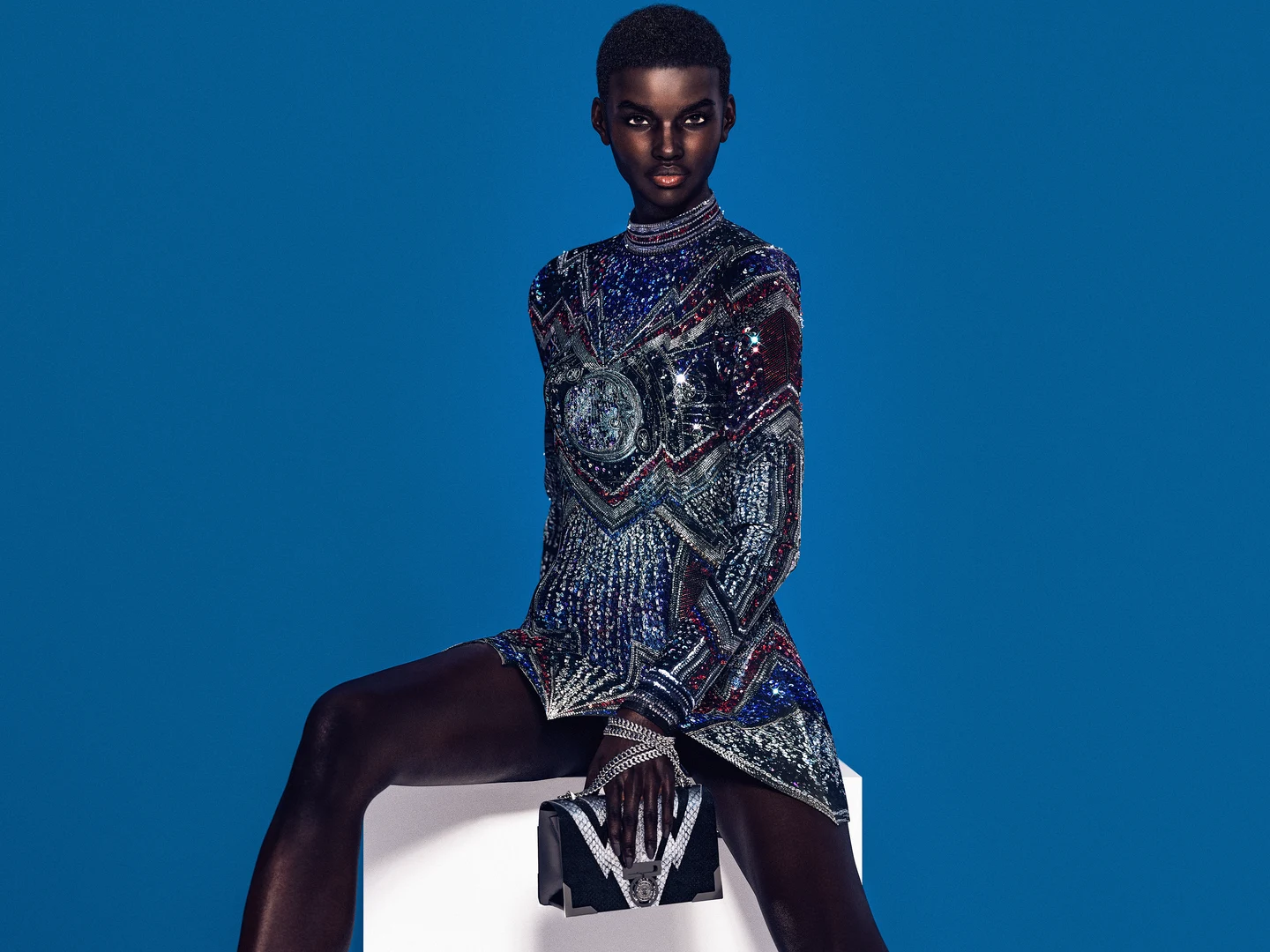
The Diigitals / Cameron-James Wilson / Balmain ↗ · Local reference; owner review pending
Source ledger
What this rests on.
- Balmain Virtual Army Campaign — Shudu, Margot & Zhi ↗
The Diigitals · Primary source
Source publication: Not stated by source · Reviewed: 16 September 2026
Creator portfolio names Shudu, Margot and Zhi, credits collaboration with Olivier Rousteing, and labels the project September 2018; portfolio date is not treated as a precise unveiling day.
- Olivier Rousteing constitue sa nouvelle Balmain Army avec des mannequins virtuels ↗
Vogue France · Original reporting
Source publication: 31 August 2018 · Reviewed: 16 September 2026
Contemporary August 31 reporting identifies the three virtual models and Cameron-James Wilson; its publication proves the campaign was already visible by August, not an exact launch day.