The persona
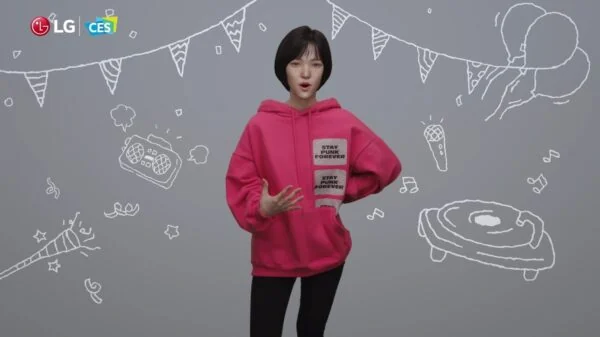
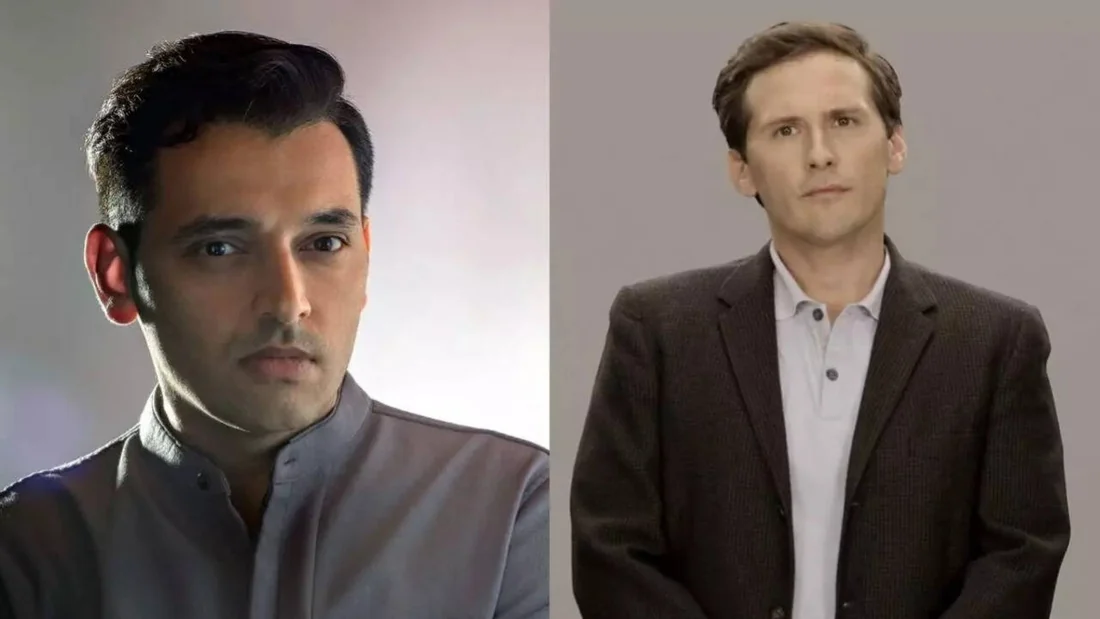
Neon is a set of computer-generated figures, introduced by name as Frank, Natasha and Hana, that its own operator describes as artificial humans rather than assistants. The operator is STAR Labs, formally Samsung Technology and Advanced Research Labs, a research unit led by Pranav Mistry that Samsung has described as operating apart from its consumer-electronics brand. Neon's own site, archived shortly after launch, carried a page dated 6 January 2020 asking visitors, in its own words, whether they had ever met an 'artificial,' and pointed them to a booth at CES 2020 in Las Vegas the following week. The archived Neon homepage calls the project 'a computationally created virtual being that looks and behaves like a real human,' and advertised what it called the world's first live preview of a rendering system it named CORE R3.
What the documents establish
Contemporaneous reporting from the show floor adds detail the operator's own page does not. The IndiaTimes report, filed the day after Neon's unveiling, identifies Mistry and STAR Labs as the people and unit behind Samsung's CES presentation, and describes CORE R3 and a planned second layer called SPECTRA as the platform's two components. A reporter who watched Mistry's own daily demonstration for the Indian Express found 'no products to show, just some large screens with human-looking characters going about some pre-programmed functions.' In the same interview, Mistry said the figures were 'well under the control of their creators' and did not yet retain memory between sessions, statements that narrow Neon's own marketing claims considerably.
Character versus company
The distinction the sources support is between Neon's promotional voice, which calls the figures friends rather than software, and STAR Labs' own account of a scripted, closely supervised showcase. The Indian Express piece notes there was 'no Samsung logo behind for reassurance' at the booth, describing Mistry presenting alone rather than as a Samsung spokesperson. That framing, combined with STAR Labs' description as an 'independent unit,' indicates a deliberate distance between the demo and Samsung's mainline brand, even though STAR Labs is a Samsung research subsidiary and Mistry had previously appeared at Samsung keynotes. Editorially, this reads as Samsung testing a claim in public without fully attaching its name to it.
What to watch
Neon's own roadmap depended on SPECTRA, a layer Mistry said was still years away in January 2020. Whether that layer shipped, and what became of the platform afterward, is a separate, later record. This is an editorial framing beyond what the January 2020 sources show on their own.
- Did any later Samsung or STAR Labs document confirm SPECTRA's delivery?
- What did independent attendees, rather than the operator or a single embedded reporter, report seeing on the show floor?
- Did Samsung ever attach its own brand directly to Neon after CES 2020?
Read together, Neon's own page and the two on-site interviews describe a research showcase whose marketing language ran ahead of what its own creator would confirm to a reporter standing in front of it.
Source ledger.
- NEON (archived homepage) ↗
Neon's own site describes the project as artificial humans and promotes a live CES 2020 preview of CORE R3, in the operator's own words.
Source publication: 2020-01-06 · Retrieved: 2026-09-16
- Pranav Mistry Has Built World's 1st Artificial Human That Looks And Behaves Just Like Us ↗
Names Samsung's STAR Labs and Pranav Mistry as the unit and person behind Neon's CES 2020 unveiling and describes the CORE R3/SPECTRA platform.
Source publication: 2020-01-07 · Retrieved: 2026-09-16
- Maker of dreams and artificial humans: Meet Pranav Mistry, the brain behind the Neon project ↗
On-site reporting quotes Mistry directly on the demo's programmed, supervised nature and describes STAR Labs as an independent unit of Samsung.
Source publication: 2020-01-12 · Retrieved: 2026-09-16