The persona
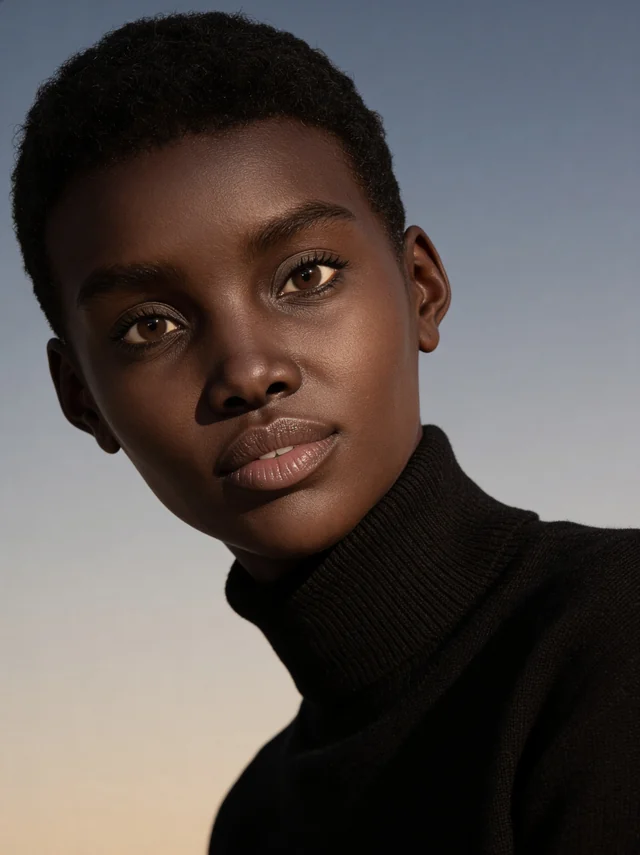
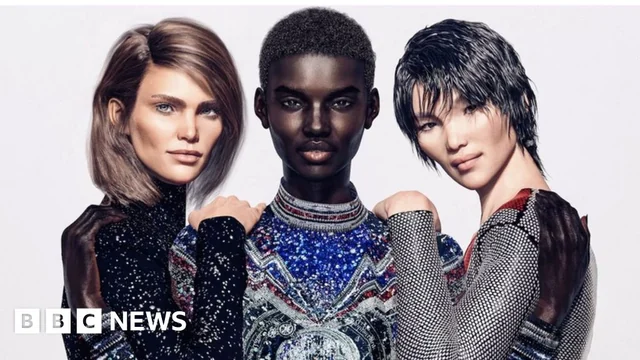
Shudu is a computer-generated model created by Cameron-James Wilson, a British photographer who began building her in 2017 using the 3D program Daz3D. Marketed on Instagram as 'the world's first digital supermodel,' Shudu is not a real person; every post on her account is written and published by Wilson, who also photographs and lights her images. Wilson did not identify himself publicly as her creator when the account first attracted attention; he came forward in February 2018, after months of speculation about who was behind it.
What the documents establish
An archived capture of Shudu's Instagram account, preserved by the Wayback Machine, shows two posts tagging Fenty Beauty's foundation line months apart: one from 20 November 2017 with shade and product hashtags, and one from 5 February 2018 captioned only with fruit emoji and '#fenty #fentybeauty #mattemoiselle.' Both carry the same photo credit, '@cjw.photo,' identifying Wilson as the image's author, and neither names Fenty Beauty's own account as a source. A Cosmopolitan interview with Wilson, published 31 July 2018, embeds the 5 February post and records him discussing, on the record, the backlash once he revealed himself: criticism that he, a white man, had built a following by presenting a Black woman's face online.
Character versus company
Shudu's posts read as a model's own product diary, but the record shows one operator made every choice behind them: which product to tag, which photo to credit, which hashtags to attach. The Cosmopolitan interview quotes Wilson admitting there were problems in how he initially represented Shudu, including hashtags he later called culturally appropriative and said he had used deliberately to grow her following before he was known as her creator. That is a founder's decision, not a model's own choice, even though the posts are written in Shudu's voice. Fenty Beauty's own account is not shown, in the sources reviewed here, taking any public position on the images; what is documented is Wilson's tagging of the brand and his own later account of the criticism that followed his reveal.
What to watch
The sources available do not show whether Fenty Beauty's own account ever reposted or commented on Shudu's images, a claim sometimes attached to this episode in later retellings. A reader encountering that claim should look for Fenty Beauty's own post or statement before treating it as established. It is also worth tracking whether Wilson's operation, later formalised as The Diigitals, issued any further statement about photo credit on the Fenty-tagged images specifically, beyond the broader representation critique he addressed in 2018.
- Has Fenty Beauty's own account ever posted about or credited Shudu directly, and where is that post archived?
- When an operator admits to using 'culturally appropriative' hashtags, who decided to remove them, and when?
- Does the operator's later company name appear anywhere in Shudu's 2017-2018 posts, or only in retrospect?
What survives from Shudu's earliest Fenty-tagged posts is Wilson's own captioning and his own later account of the criticism it drew, not a documented exchange between two companies; treating the episode as a two-sided dispute overstates what the archived record shows.
Source ledger.
- Shudu (@shudu.gram) Instagram, archived 15 May 2018 ↗
Shudu's own account tags Fenty Beauty's foundation line in posts from 20 November 2017 and 5 February 2018, both credited to photographer Cameron-James Wilson (@cjw.photo).
Source publication: 2017-11-20 · Retrieved: 2026-09-16
- Those Crazy-Realistic Robot Models Taking Over Your Instagram Feed? Here's Why They Look So Human ↗
On-record interview with Cameron-James Wilson, embedding the 5 February 2018 Fenty-tagged post and recording his own account of coming forward as Shudu's creator and the backlash that followed.
Source publication: 2018-07-31 · Retrieved: 2026-09-16