The persona
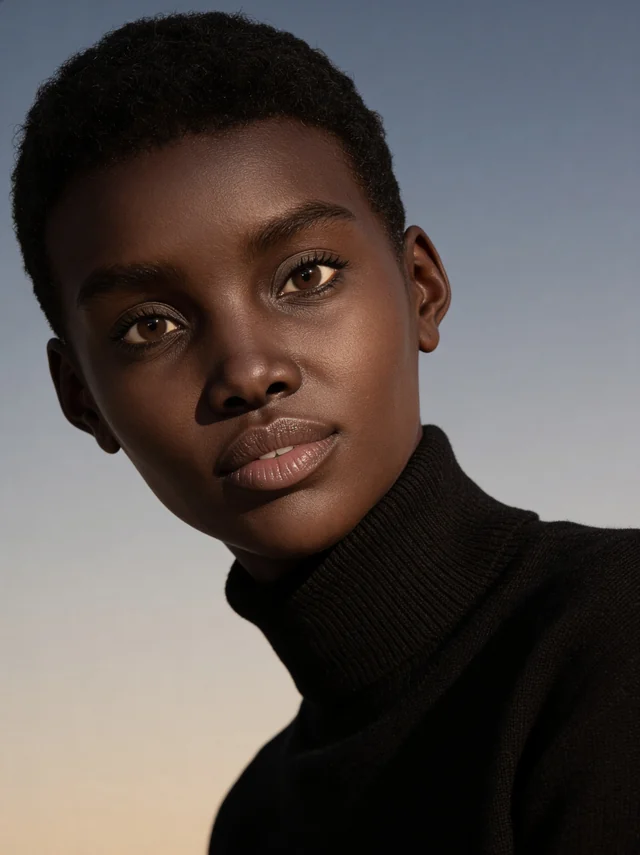
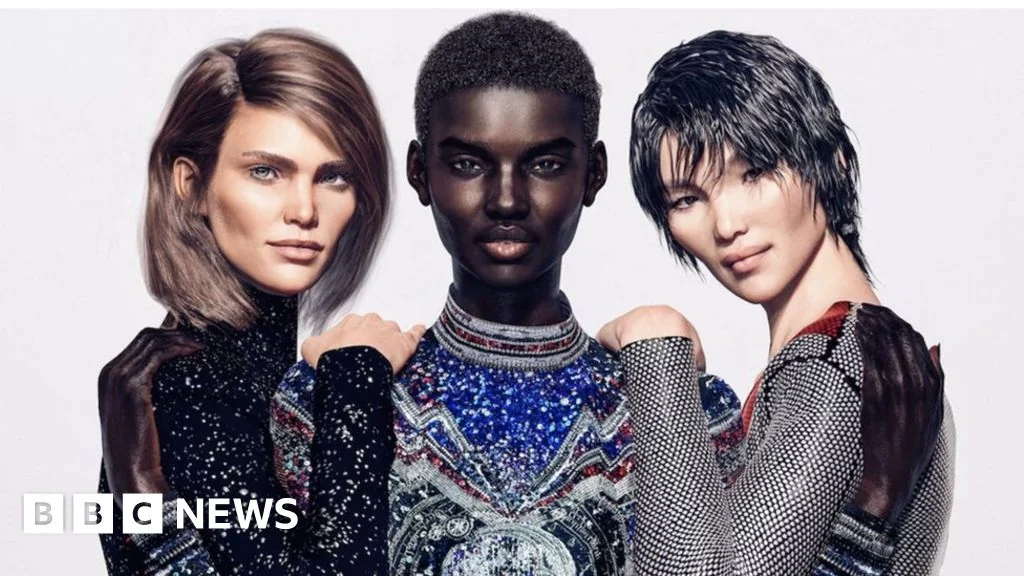
Shudu, Zhi and Margot are three computer-generated models that fashion house Balmain cast together for a campaign reported by the BBC as running under the name Balmain Army. The BBC's report, published 12 September 2018, states plainly that 'Shudu, Margot and Zhi don't exist' as people and identifies Shudu as the work of British photographer Cameron-James Wilson, who the outlet says 'created digital supermodel Shudu last year,' meaning 2017. Wilson's own studio, which now operates as The Diigitals, describes itself as 'the studio behind the first digital supermodel,' referring to Shudu, and lists her among its earliest characters.
What the documents establish
Wilson gave his own account of Shudu's purpose to Business Insider months before the Balmain campaign, describing her as an 'art piece' and 'the world's first digital supermodel,' and saying it was a 'massive compliment' that viewers had mistaken her images for a real person's. The BBC's later reporting confirms Balmain's campaign named all three models publicly as CGI rather than presenting them as real, and records that the casting drew direct, on-the-record criticism from working models. Neither source in this note identifies specific individual creators for Zhi or Margot beyond their appearance in Balmain's credited campaign; only Shudu's creator is independently confirmed here.
Character versus company
Shudu's glamorous Instagram presence is Wilson's authored art project, run through his studio rather than by Shudu herself; Balmain's actual decision was a casting choice made by the brand's creative team to feature three CGI figures in a paid campaign, disclosed as such in the coverage rather than hidden. The models who spoke to the BBC, including Louise Stone and Dominique Robinson, addressed that casting decision directly, with Stone saying competing with 'literally unreal girls' felt 'really scary' for working models, and Robinson noting that CGI casting could cut both models and production crews out of paid work. Those are the real, named people's own on-record concerns about Balmain's choice, not statements from the CGI characters.
What to watch
The BBC's report also recorded a specific criticism, voiced by photographer Manny Roman among others on Balmain's own Instagram, that a Black-coded CGI model created by a white photographer raised representation concerns distinct from the labor concerns models raised; this note treats that as a separate, documented thread rather than folding it into the casting-and-labor question above.
- Who specifically created Zhi and Margot, and under what credit did Balmain list them?
- Did Balmain or Wilson respond directly to the representation criticism the BBC recorded?
- Did any modeling agency or union issue a formal response to CGI casting following this campaign?
The documented record pairs a named creator's own description of his character's purpose with a broadcaster's contemporaneous account of a fashion house's disclosed CGI casting and the real models who publicly objected to it.
Source ledger.
- From Instagram to Balmain: The rise of CGI models ↗
Names Shudu, Zhi and Margot as the Balmain Army campaign's CGI models, credits Cameron-James Wilson for Shudu, and records named models' criticism of the casting.
Source publication: 2018-09-12 · Retrieved: 2026-09-16
- Shudu Gram is a fake Instagram star ↗
Quotes creator Cameron-James Wilson describing Shudu as an art piece and the world's first digital supermodel, ahead of the Balmain campaign.
Source publication: 2018-05-10 · Retrieved: 2026-09-16
- The Diigitals (studio site) ↗
The studio's own current site confirms it as the operator behind Shudu, describing itself as the studio behind the first digital supermodel.
Source publication: Not stated · Retrieved: 2026-09-16