The persona
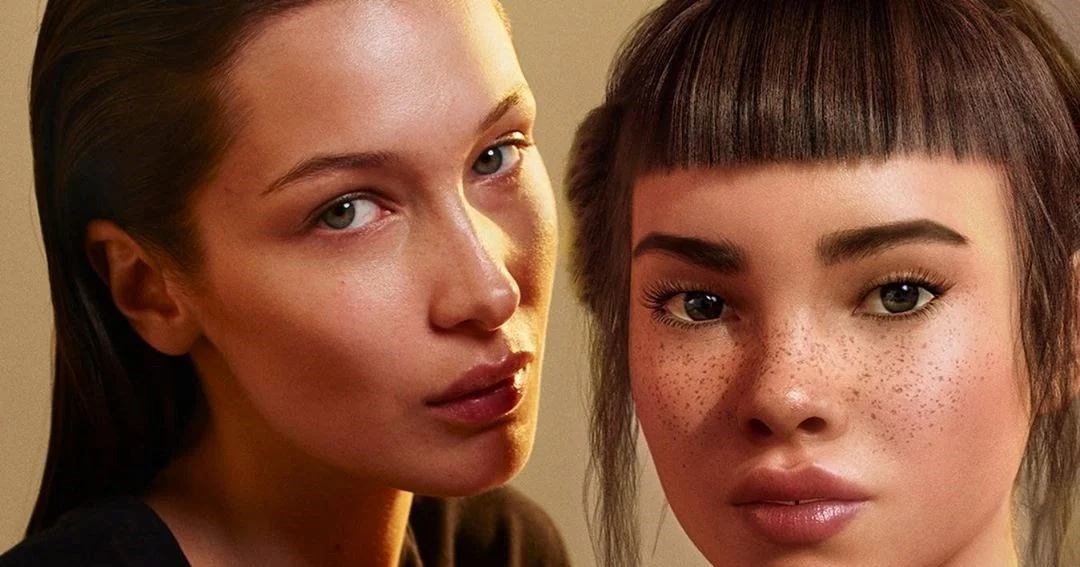
Lil Miquela is a computer-generated character whose operator, according to TechCrunch's 2018 reporting, is Brud, a Los Angeles startup led by Trevor McFedries that TechCrunch describes as 'the actual company behind one of Instagram's most popular virtual influencers.' In May 2019, Calvin Klein cast Miquela alongside the real model Bella Hadid in a video for its MYCALVINS campaign, in which the two appeared to kiss. The video was part of a series that also featured the actress Indya Moore and several musicians, and was framed by the brand around what the company itself called a range of gender and sexual identities.
What the documents establish
The Cut reported that Calvin Klein posted a statement on Twitter on 17 May 2019 responding to criticism that the pairing amounted to queerbaiting, since Hadid identifies as heterosexual. The brand's statement, quoted in full by the outlet, reads in part: 'We understand and acknowledge how featuring someone who identifies as heterosexual in a same-sex kiss could be perceived as queerbaiting. As a company with a longstanding tradition of advocating for LGBTQ+ rights, it was certainly not our intention to misrepresent the LGBTQ+ community. We sincerely regret any offence we caused.' The same reporting notes an earlier statement, issued days before, describing the campaign as intended to 'challenge conventional norms and stereotypes in advertising.'
Character versus company
Calvin Klein's statements address its own campaign decisions and do not comment on Miquela as a character or on Brud's role in creating her; the apology is about representation and casting, issued in the brand's own name. Bella Hadid is a real person whose own views on the campaign are not recorded in the sourcing reviewed here, and this note does not attribute any position to her beyond her presence in the video. Miquela's side of the exchange, meanwhile, exists only as a marketing appearance controlled by Brud and licensed to Calvin Klein; nothing in the sources suggests Miquela or Brud issued a separate statement responding to the queerbaiting criticism.
What to watch
The Cut's report documents Calvin Klein's apology but does not state whether the video itself was removed from the brand's own channels afterward; that detail is not confirmed in the sourcing here and should not be assumed from the apology alone.
- Did Calvin Klein or Brud issue any further statement once the campaign's run concluded?
- Was the video removed from Calvin Klein's own channels, or did it remain available after the apology?
- How did Brud's contract with Calvin Klein describe Miquela's role, compared with how the finished campaign presented her?
What the record supports is a brand-issued apology addressing representation, layered over a casting choice that placed a real model beside a company-owned character without either character's operator entering the public exchange.
Source ledger.
- Calvin Klein Apologizes for Bella Hadid and Lil Miquela Campaign ↗
Quotes Calvin Klein's own Twitter statement addressing queerbaiting criticism of the Bella Hadid and Lil Miquela campaign in full.
Source publication: 2019-05-20 · Retrieved: 2026-09-16
- The makers of the virtual influencer, Lil Miquela, snag real money from Silicon Valley ↗
Identifies Brud, led by Trevor McFedries, as the company operating Lil Miquela, establishing the character's operator ahead of the Calvin Klein campaign.
Source publication: 2018-04-23 · Retrieved: 2026-09-16