The persona
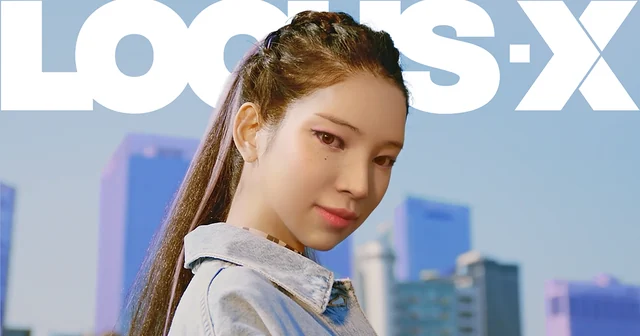
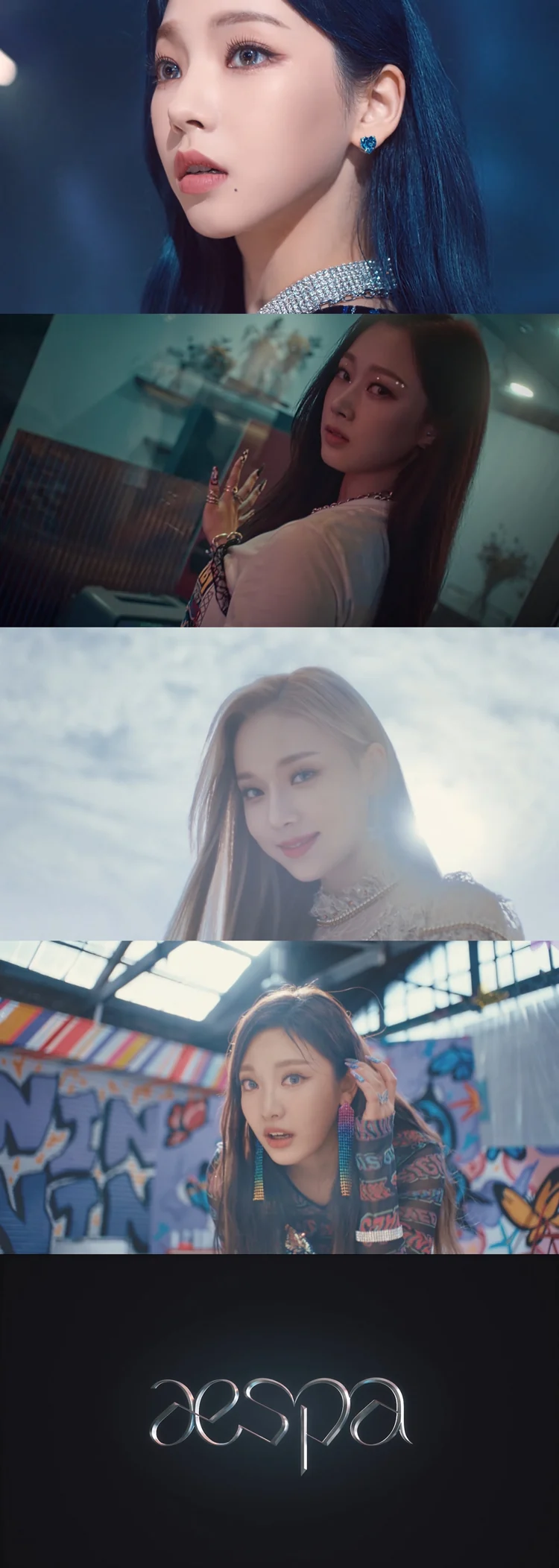
Aespa is a four-member group operated by SM Entertainment, a South Korean company, whose stated concept gives each of its four singers, Karina, Giselle, Winter and Ningning, a paired virtual counterpart referred to as an ae. SM introduced the concept before the group's debut single existed. On 28 October 2020, chairman Lee Soo-man addressed the First World Cultural Industry Forum, and SM's own press office archived record of that speech quotes him describing aespa as SM's first project under a banner it calls SMCU, for SM Culture Universe. The company's own translated wording has Lee saying aespa 'will project a future world centered on celebrities and avatars,' framed as transcending the boundary between what the release calls the real world and the virtual world.
What the documents establish
A second SM release, issued around the single's announcement and archived from the company's press center, states that aespa's debut song would depict 'mutual connection of the members in real world and their virtual selves' through a mechanism SM names SYNK. The same release explains the group's own name as a combination of the initials for avatar and experience with the word aspect. Both releases are SM's own machine-translated English text; the company's Korean original is the authoritative version, and this note treats the translated wording as SM's own published claim about its concept rather than a settled technical description.
Character versus company
What SM's own materials describe is a marketing and storytelling framework, not a working autonomous system. The press releases present SYNK and the ae avatars as narrative devices tied to a song release and a keynote speech, with no accompanying technical documentation of how a virtual counterpart operates, updates, or responds. Coverage of aespa as singers, dancers and endorsers concerns the four real performers and the company that manages them; the ae characters exist in SM's statements as concept art and lyrics-adjacent lore. Treating the avatars as independent agents rather than as SM's authored characters would go beyond what these releases say.
What to watch
SM's own SMCU framing has since been applied to other artists under the label, according to the company's public statements; whether the ae concept was elaborated with further technical detail in later SM materials is worth checking against dated company releases rather than fan summaries. This is an editorial note beyond the two 2020 documents cited here.
- Has SM published a later, non-marketing description of how an ae avatar is built or updated?
- Does SM's Korean-language original text differ in scope from the translated claims quoted here?
- Which other SM artists have since been folded into the SMCU framing, and on what dated record?
The documented record is a company introducing a concept through a chairman's speech and a single-release press note, both authored by SM Entertainment, well before any technical account of the avatars existed.
Source ledger.
- Soo-Man Lee, chairman of SM ENTERTAINMENT GROUP, delivered a speech at the 1st World Cultural Industry Forum (SM Entertainment press release, archived) ↗
SM's own press release quotes chairman Lee Soo-man introducing aespa as the first SMCU project centered on celebrities and avatars.
Source publication: 2020-10-28 · Retrieved: 2026-09-16
- SM Entertainment's new girl group aespa to debut on November 17th with their first single Black Mamba (SM Entertainment press release, archived) ↗
Describes the SYNK mechanism connecting members to their virtual ae selves and explains the group name, in SM's own machine-translated release.
Source publication: 2020-11-02 · Retrieved: 2026-09-16